Breaking down barriers: Overcoming neurodiversity bias
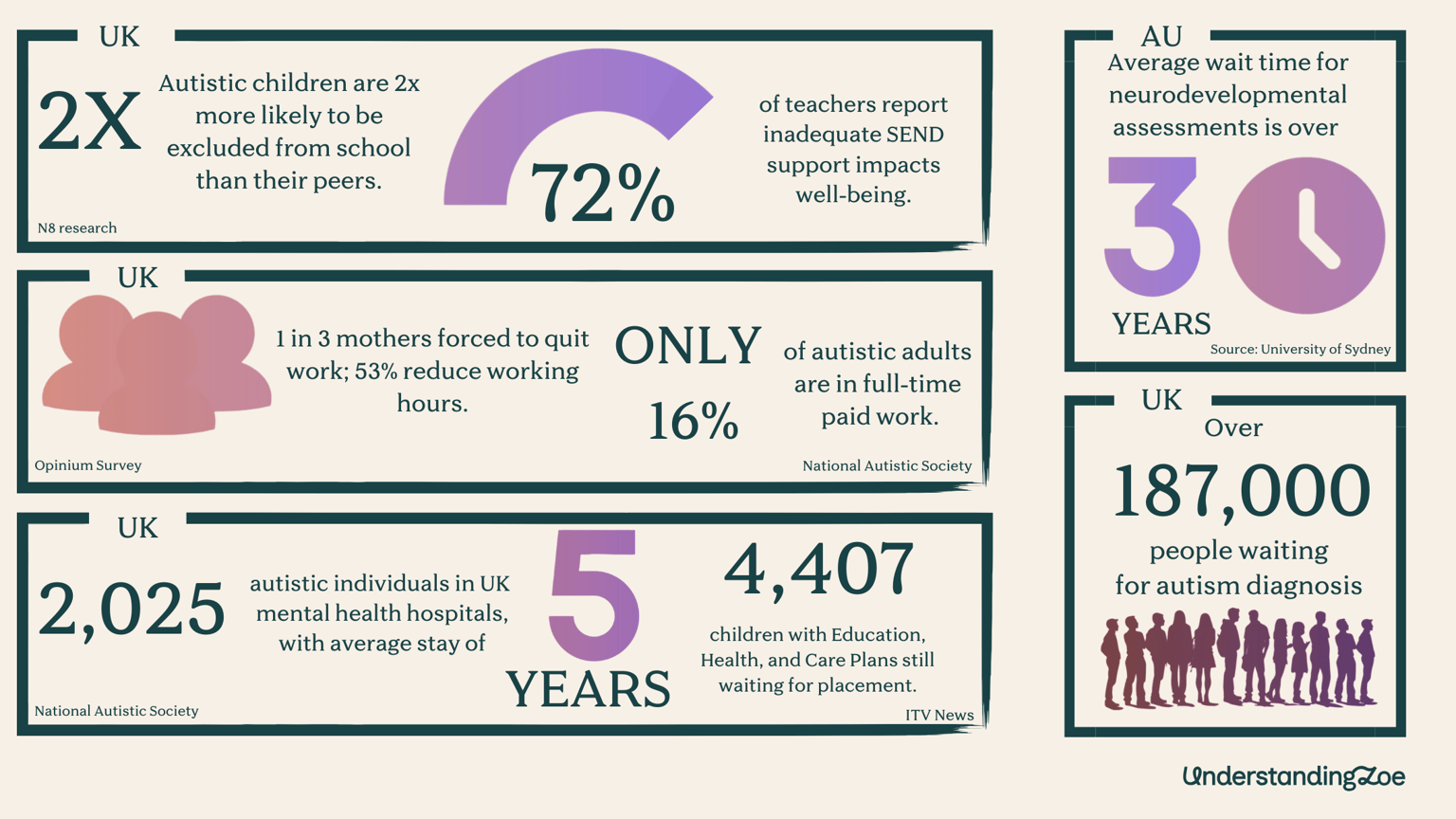
Neurodivergent people and their families meet a system that was not built for them. Assessment waits stretch on. Schools and workplaces still exclude. Behind it sits neurodiversity bias, the snap judgement that reads difference as a problem. Research shows people make that judgement in seconds, from style rather than substance. The Australian numbers point at the system, not the people.

In short
Neurodiversity bias means judging neurodivergent people against norms they never agreed to. Research shows people form negative snap judgements in seconds, based on style rather than substance. In Australia the bias shows up in assessment waits, in classrooms and at work. The barriers were built, so they can be unbuilt.
What is neurodiversity bias?
Neurodiversity bias means treating neurodivergent people unfairly. It can be conscious or unconscious. It affects Autistic, ADHD and dyslexic people. It shows up most in how we judge communication.
The bias grows out of social norms. We expect eye contact, small talk and familiar body language. So a person who looks away gets read as dishonest. Someone who finds small talk hard gets judged as poor with people.
This has been measured. Non-autistic observers watched short clips of Autistic people. They rated them less warmly within seconds. They were also less willing to talk to them. More exposure did not soften the judgement. But it disappeared when the clip carried no sound or picture. Style drove the impression, not what the person actually said (Sasson and colleagues, 2017).
So the problem does not sit inside one person. It sits between people. Damian Milton, an Autistic researcher, calls this the double empathy problem. Two people with different ways of being misread each other. The misunderstanding runs both ways (Milton, 2012).
Later work supports this. Autistic people passed a story along a chain of other Autistic people. The details survived as well as they did in the non-autistic chain. Much less survived in the mixed chains. People in the mixed chains also felt less rapport (Crompton and colleagues, 2020).
That changes the question we should be asking. It is not what is wrong with this person. It is what is happening between these people.
The road to assessment in Australia
More than 290,000 Australians have an autism diagnosis. The real number is almost certainly higher. Cost and waiting times keep people out. Some people decide a diagnosis is not the right path for them (National Autism Strategy, 2025).
Australia's first National Autism Strategy names the delay plainly. Three months is the wait a family should expect. The median wait in the public system is 16 weeks. Some services report waits far longer than that.
The wait is not shared evenly. Diagnosis comes later for girls, women and gender diverse people. It comes later for people whose traits are less visible to others. It comes later again in regional, rural and remote areas.
That gap matters for adults too. Many people reach their thirties or forties before anything is named. Years of being misread come first.
These delays feed the bias rather than settle it. Families are left without support and without validation. Old assumptions have time to harden.
What happens at school
School is where many families meet the bias first. Almost 69% of Autistic 5 to 20 year olds in education report difficulty at their place of learning. Only 5.2% of Autistic people hold a bachelor degree or higher. Among people without disability the figure is 35.3% (National Autism Strategy, 2025).
An Australian study recorded seven parents' experience of school exclusion. It names sensory and cognitive overload, teachers without neurodiversity training, and students who never felt safe at school. The cost to parents was practical, financial and psychological. Their own recommendation was clear. Schools should accept autism, use neuroaffirming language and offer flexible learning (Cleary and colleagues, 2024).
When a child cannot get to school, the reason is usually distress. One study of 947 families found 92% of these children were neurodivergent. Nearly all were in real distress before, during or after school. The researchers called it a systemic failure to meet need (Connolly and colleagues, 2023).
That is a useful way to read it. The child is not refusing. The setting is asking for more than it gives back.
Pip remembers the appointments, the notes and the small wins, so you don't have to.
7 days free on iPhone and Android.
What happens at work
The pattern carries into adult life. About half of working age Autistic people take part in the workforce. For people without disability the figure is about 85%. Autistic people are almost six times more likely to be unemployed (National Autism Strategy, 2025).
Underemployment sits alongside it. People work well below their skills and training. Recruitment practice, sensory environments and plain discrimination all play a part.
Many people respond by masking. They hide traits to get through the day. In one study of 262 Autistic adults, women were more likely to mask for practical reasons, such as getting by at work. Masking heavily, or switching it on and off, was linked to worse mental health (Cage and Troxell-Whitman, 2019).
So masking is not a solution. It is the cost of a workplace that has not adjusted.
What this costs families
Bias is expensive, and families carry most of the bill. Our own research with Australian families found the load is measurable. Parents put in 33 extra hours a week. About 10.5 of those hours go to advocacy and admin alone. And 93% of parents say they feel unseen and misunderstood (Making the Invisible Visible).
Those hours come out of paid work, rest and relationships. The strain is not a sign that a family is coping badly. It is the predictable result of a system that leaves them to it.
What we can change
The barriers in this article were built by people. That is the hopeful part. Built things can be unbuilt.
Jacquiline den Houting, an Autistic researcher, makes the point well. Autism is a natural part of human variation. Autistic people are also often disabled, by settings that fail to accommodate them. Both things are true at once, and the second one is the one we can change (den Houting, 2019).
Schools can accept difference instead of correcting it. Workplaces can fix recruitment and sensory environments. Health services can shorten the wait. None of that asks a neurodivergent person to change.
Frequently asked questions
What is neurodiversity bias?
Neurodiversity bias is unfair treatment of neurodivergent people. It comes from expecting one way of communicating and working. Eye contact, small talk and familiar body language get read as competence. Anything else gets read as a problem. The bias can be conscious, but it is usually not.
How long do Autistic Australians wait for an assessment?
The National Autism Strategy names three months as the wait a family should expect. The median wait in the public system is 16 weeks. Some services report much longer. Waits are longest for girls, women, gender diverse people and families in regional and remote areas.
Is neurodiversity bias the same as being rude?
No. Most of it is not deliberate. Research shows people form these judgements within seconds and do not notice doing it. That is why naming the pattern matters. You cannot change a habit you cannot see.
What can I do about it today?
Start with one setting you have some say in. Ask what it expects by default, and who that suits. Then change the setting rather than the person. Small things count, such as written instructions, quieter spaces and more time to answer.
About Understanding Zoe
Understanding Zoe is an app for neurodivergent people and the people who love them. We help you cut through the overwhelm. You get clear, practical plans made for your situation. We believe in a better connected village. Families and professionals work together there, and understanding grows.
Our values are empathy, inclusion and empowerment. Every step of the journey comes with support and guidance. We are here to make a lasting difference for neurodivergent people. No one should face this journey alone.
If any of this sounds familiar, you are not alone. Join us at Understanding Zoe. Together we can build a more inclusive future.
How to get started
Getting started is simple:
Download the app here.
Complete your account setup.
Start exploring, and tell us what works with a thumbs up or down.
You can try it free for 7 days. The tools save time and lower stress. You also join a growing group of people building a more neuroinclusive world.
We are grateful to everyone who walks this journey with us. We would love to welcome you in.
References
Pip is not a doctor or therapist. It helps you organise and prepare, not diagnose or treat.
In a crisis call 000. Lifeline 13 11 14. Kids Helpline 1800 55 1800. 13YARN 13 92 76.
Ready to put it all in one calm place?
Tell Pip one thing today. It remembers the rest.
Stored in Australia, encrypted. Cancel before day 8 and you won't be charged.
Related articles
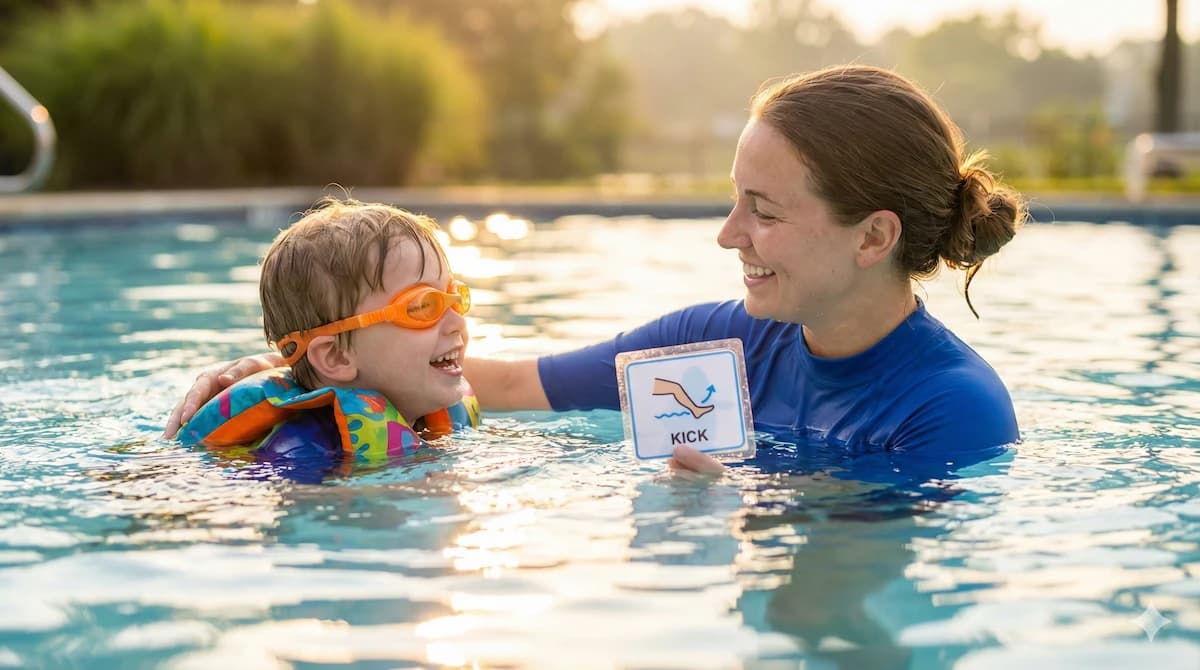
Why affirming swimming lessons save lives: making aquatics safe for all
Autistic children are 160x more likely to drown, yet 91% of families leave aquatic services dissatisfied. Antoinette Spear of Autism Swim shares how to find truly inclusive swimming providers, why inclusion looks different for every child, and why water should be a place of belonging, not fear. Essential listening for parents, educators, and policymakers.
Read more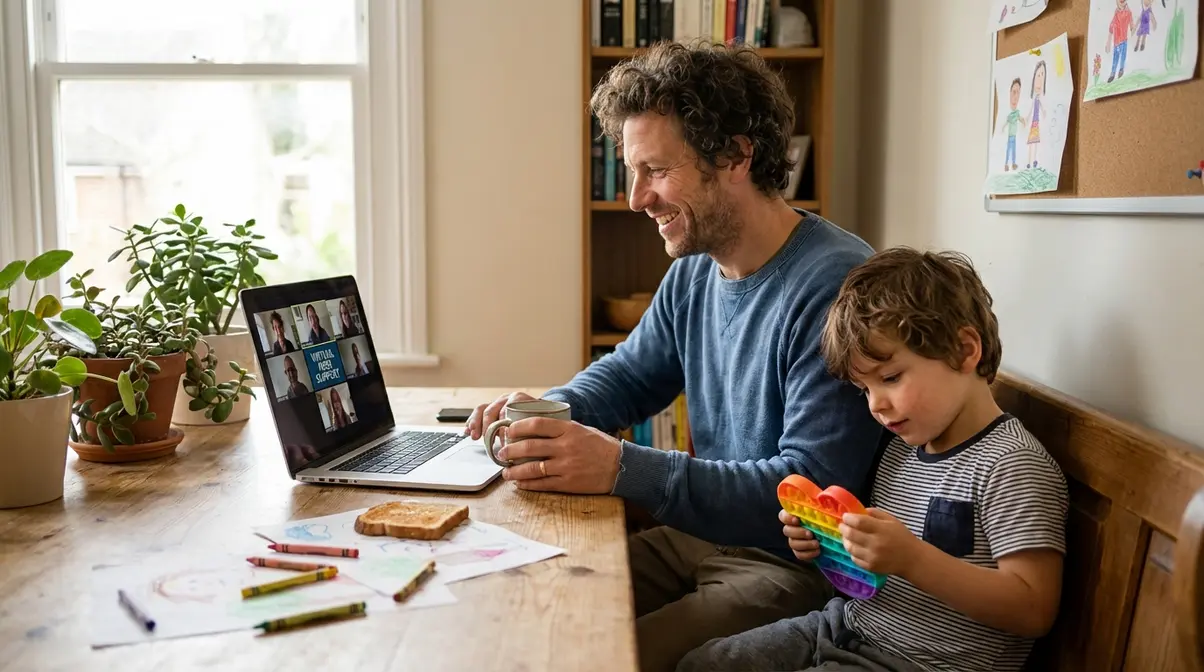
Peer support for neurodivergent families: Finding belonging
Peer support creates essential spaces where neurodivergent families feel truly understood. This article explores how family-led organisations like Belongside Families reduce parental isolation, shame, and burnout through neuroaffirming connection. Learn why lived experience combined with evidence-based practice offers the most effective support, and discover how virtual communities break down geographic barriers for regional families.
Read more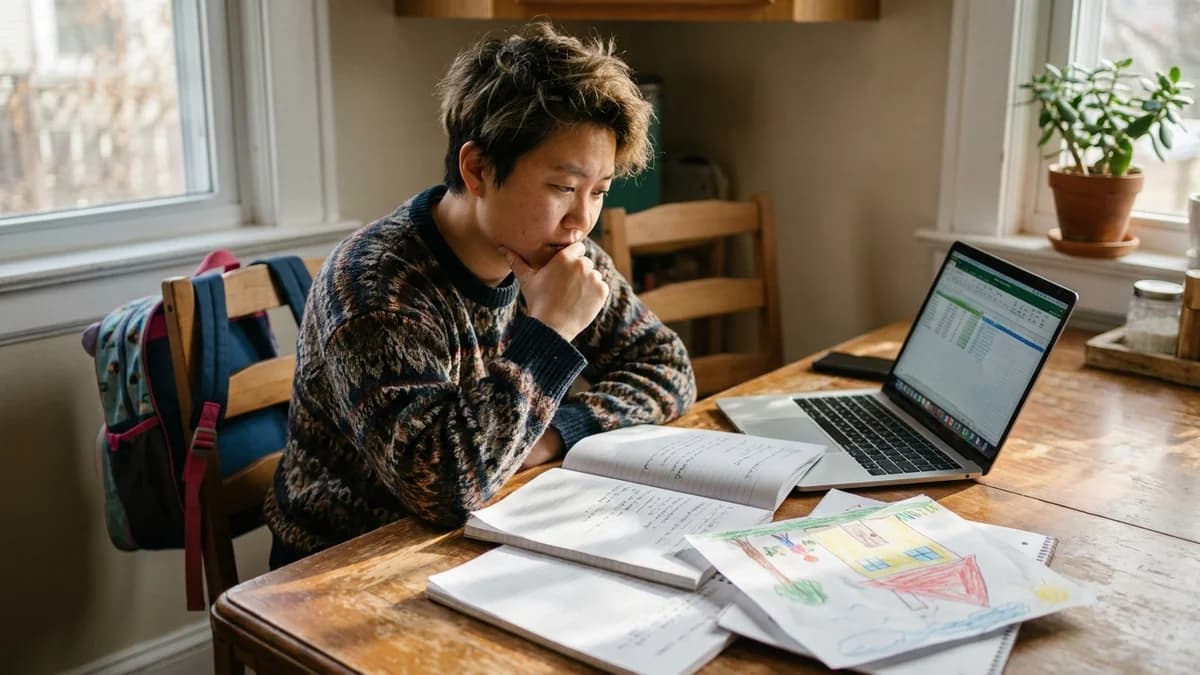
Why we built Understanding Zoe: The real story
Laetitia Andrac, co-founder of Understanding Zoe, shares the origin story of the platform that began at a kitchen table. Drowning in reports from multiple therapists and schools, Laetitia combined her 15 years of AI expertise with intimate knowledge of her daughter Zoe's needs to create a tool that consolidates information and helps care teams understand neurodivergent children as individuals. The episode explores how research with thousands of Australian families revealed the invisible load: parents of neurodivergent children spend around 30 hours a week on caregiving, 93% feel unseen and misunderstood, and the system was never designed to fit. Understanding Zoe exists to make that invisible load visible and help neurodivergent families feel safe, seen and understood.
Read more