Peer support for neurodivergent families: Finding belonging
Peer support creates essential spaces where neurodivergent families feel truly understood. This article explores how family-led organisations like Belongside Families reduce parental isolation, shame, and burnout through neuroaffirming connection. Learn why lived experience combined with evidence-based practice offers the most effective support, and discover how virtual communities break down geographic barriers for regional families.
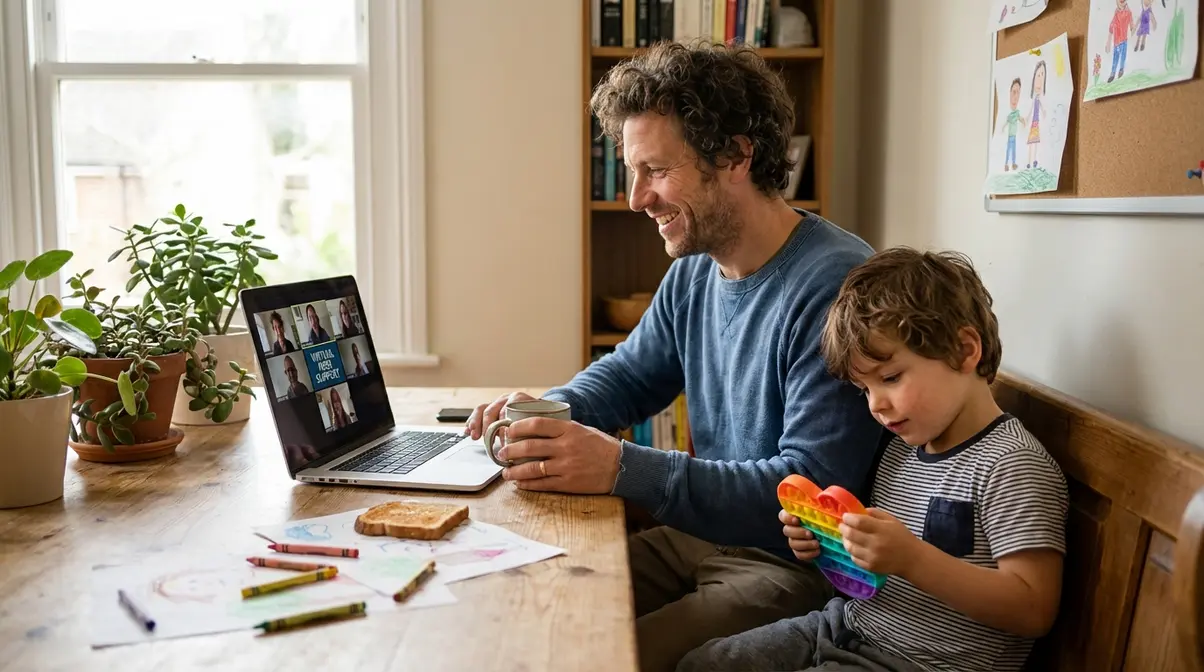
In short
Peer support gives neurodivergent families a room where nobody has to explain themselves. Family-led groups like Belongside Families run on lived experience, not clinical distance. That connection cuts isolation, shame and burnout. It lets parents unmask and rebuild confidence. For regional and rural families, online groups do the same work.
Finding belonging in the chaos: The power of peer support for neurodivergent families
This article is based on Episode 26 of the Neurodivergent Pulse podcast. Listen to the full conversation with Kristy Cartan and Eliza Hoare.
When you finally find your people
You walk into a room full of parents. You start describing your morning. The meltdown over socks. The morning your child could not face school. The sensory overload at breakfast. Before you finish, someone nods and says, "Us too."
No judgement. No advice about trying harder. Just recognition.
That is the power of peer support for neurodivergent families. It is not a luxury. It is a lifeline.
Host Laetitia Andrac sits down with Kristy Cartan and Eliza Hoare. They come from Belongside Families. It is a family-led organisation supporting parents and carers raising neurodivergent children. Together they explore what happens when families finally find where they belong. They also explore why that belonging matters.
What makes family-led support different?
Belongside Families is not run by clinicians looking in from the outside. It is led by parents who are living it.
Kristy and Eliza are both AuDHD, meaning Autistic and ADHD. Both are raising neurodivergent children. That lived experience shapes everything they do. It shapes how they facilitate groups and the language they use. It shapes the flexibility built into their programmes.
As Kristy explains:
Family led isn't just a tagline. It means we're not sitting above families. We're actually beside them. Everything we offer comes from that place.
Kristy Cartan
Understanding Zoe's research on neurodivergent families found something striking. Over three in five parents raising neurodivergent children are neurodivergent themselves. That is through formal assessment or self-identification. Their insights bring empathy and endurance. They understand their children's needs intuitively. They manage similar challenges in their own lives.
Kristy and Eliza discovered their children's neurodivergence, and then their own. That experience led them to create new spaces. In those spaces parents connect, share, learn and feel understood. Many families join peer support groups looking for practical strategies. They want help managing emotional outbursts in neurodivergent children. They find the shared understanding is as valuable as the techniques.
This is not about replacing professional support. It adds a layer professionals cannot always provide. That is the deep, embodied understanding of walking the same path.
The hidden isolation of neurodivergent parenting
Raising a neurodivergent child can be profoundly isolating. It is hardest when the outside world does not understand.
This isolation is widespread. Our research shows that nine in ten parents feel misunderstood or invisible. Those are parents of neurodivergent children. They feel constantly evaluated by professionals, family or the public. They are rarely seen.
You feel like:
You are the only one whose child cannot handle birthday parties
Other parents are silently judging your "parenting choices"
You are failing because strategies that work for other families do not work for yours
You cannot talk openly without being met with "helpful" advice. That advice misses the point entirely.
Kristy captures this exhaustion:
Parents are tired and like just not just tired, but like bone weary. The kind where you're holding everything together on the outside, but like underneath you're like that little duck swimming. There's a lot going on.
Kristy Cartan
Together they explore the impact of peer connection and lived experience. They look at neuroaffirming support for families. Those families are raising Autistic and ADHD children. Topics like rejection sensitivity and building confidence come up often. In peer groups parents share strategies without judgement.
Peer support breaks that isolation. It reminds you that you are not alone. You are not failing. Your child is not broken.
Pip remembers the appointments, the notes and the small wins, so you don't have to.
7 days free on iPhone and Android.
Why neuroaffirming spaces matter
Not all support groups are created equal.
Traditional parent groups often work from a deficit-based model. How do we fix the child? How do we make them fit in? How do we reduce behaviours?
Belongside Families takes a different approach. Their spaces are neuroaffirming, meaning they:
Celebrate neurodivergence as a natural part of human diversity
Focus on understanding and supporting needs, not changing the child
Use respectful, identity-first language. An example is "Autistic person" rather than "person with autism".
Create environments where parents can unmask and be themselves
Eliza explains their approach:
We try to move away from the idea that there is one right way to show up.
Eliza Hoare
Many parents arrive at peer groups exhausted from masking. Not just their children. Themselves too. They have been told to "stay positive". They have been told to "not make excuses". They have been told to "be grateful it's not worse".
In neuroaffirming spaces, parents can drop that mask. They can say, "This is hard," without being met with toxic positivity. They can ask questions without fear of judgement. They can learn at their own pace. They can learn in ways that suit their own neurodivergent brains.
As Eliza notes, many parents discover their own neurodivergence while supporting their children. Belongside designs its workshops with this in mind. Sensory and cognitive accessibility is built in from the ground up.
How peer support reduces shame and rebuilds confidence
Shame is one of the most damaging emotions neurodivergent families carry.
Shame about your child's meltdowns in public. Shame about needing help. Shame about not being the parent you thought you would be. Shame about your own struggles if you are neurodivergent too.
Peer support groups dismantle that shame.
Another parent describes the exact same experience you had last Tuesday. Something shifts. You realise:
You are not a bad parent
Your child is not broken
The strategies that do not work for you were never designed for neurodivergent families
Kristy describes what happens when parents first join a peer group:
I've heard people say I've never actually spoken to other people who get this before or I've never said this out loud before because you know sometimes it doesn't feel like you're around other people who get what you're going to say and you might feel like there's going to be judgment.
Kristy Cartan
Permission to be seen rebuilds confidence. So does letting go of the "shoulds". So does trusting your instincts. This is not the confidence of getting it right every time. It is the confidence of doing your best. The system was not built for you. And that is enough.
Connection for regional and rural families
One of the biggest barriers to peer support is geography.
You may live in a regional or rural area. Local neurodivergent parent groups may not exist near you. You might be hours away from the nearest therapist who understands your child. You may feel even more isolated. No other families nearby "get it".
This is where organisations like Belongside Families are making a real difference. They offer:
Virtual peer groups via platforms like Zoom, so families anywhere in Australia can connect
Online resources including guides, webinars, and workshops
A private Facebook community. Parents ask questions, share wins and support each other around the clock.
Kristy shares stories of parents in remote areas. They have found their village online. They have never met these people in person. Yet those people understand them better than anyone nearby. As she describes it, you can be at home in your trackies. You still find connection with people who see you and get you.
Community is not a luxury for neurodivergent families. It is essential. Families face systemic barriers and neurodiversity bias in schools, healthcare and social services. Peer support becomes a lifeline there. It brings shared wisdom and collective advocacy.
Lived experience and evidence-based practice together
Kristy and Eliza make one especially important point. Lived experience and professional expertise are not opposites. They are complementary.
Belongside Families does not reject evidence-based practice. They integrate it. But they do so through a lens of lived experience, which means:
Strategies are adapted to real-life contexts (not just clinical settings)
Language is accessible and free of jargon
Flexibility is built in, because neurodivergent families need flexibility
Parents' expertise about their own children is honoured and centred
Eliza contributes to workshop development and resource creation. She explains how they test strategies against real-world constraints:
We're going to use the evidence to explain why something is happening when we put a resource out there or we do a workshop, but then we use our lived experience to create the how.
Eliza Hoare
They ask practical questions. Does this work when there are siblings in the picture? Does it work at 5pm on a Tuesday? Everyone is hungry and the baby is screaming.
Peer facilitators like Kristy bring warmth, empathy and relatability to their groups. Not because they have read about it. Because they have lived it.
What Belongside Families offers
Here is what Belongside Families provides in practice:
Autism MyTime groups
These are facilitated peer support groups for parents and carers of Autistic children. Groups meet regularly, with virtual and in-person options. They provide a safe space to connect, share and learn.
Workshops and webinars
Topics include understanding autism, navigating the NDIS, supporting siblings, self-care for carers, and more. These are designed to be practical, accessible, and affirming.
The Count Me In guide
A resource co-created by Belongside Families. It helps families, educators and communities build more inclusive environments.
Private online community
A Facebook group for parents. They connect, ask questions and share resources. They support each other outside scheduled group times.
Advocacy and systemic change
Belongside Families also works at a systemic level. They advocate for policy change. They push for greater inclusion in schools, healthcare and community settings.
Frequently asked questions
What is peer support, and how is it different from therapy?
Peer support is connection and shared learning between people with similar experiences. Here, that means parents raising neurodivergent children. It is not therapy. It is not a replacement for professional support. It is a complementary layer. It offers understanding, validation and practical wisdom. It comes from people who truly get it.
Do I need a diagnosis to join a peer support group?
Not necessarily. Many groups welcome families on a diagnostic journey. That includes those run by Belongside Families. It also includes families supporting children with suspected neurodivergence. The focus is on connection and support, not gatekeeping.
What if I'm neurodivergent myself?
Even better. Many peer support groups are designed to be neurodivergent-friendly. They consider sensory needs, communication preferences and pacing. You are not just welcome. You are understood.
How can I find peer support in my area?
Start by searching for local autism or neurodivergent parent groups through organisations like Belongside Families. Online communities can also provide valuable connection, especially for regional families. Practical strategies help too. Creating ADHD-friendly home environments reduces daily stress. That creates more capacity for connection.
What if I don't have time for regular meetings?
Many organisations offer flexible options. These include drop-in sessions and online forums. Recorded webinars let you watch on your own schedule. Connection does not have to be time-intensive to be meaningful.
Can peer support really make a difference?
Yes. Research shows that peer support reduces parental stress. It increases confidence and improves mental health. It helps families feel less isolated. But beyond the research, countless parents will tell you: finding your people changes everything.
Key takeaways
Family-led support spaces create deeper understanding and trust. They are built on lived experience, not just professional training.
Many neurodivergent families experience hidden isolation, feeling judged or misunderstood by their communities.
Peer groups reduce shame and rebuild confidence by normalising struggles and celebrating strengths.
Neuroaffirming spaces let parents unmask and learn safely. They honour the parents' own neurodivergence as well as their children's.
Regional and rural families benefit enormously from online peer connection. It breaks down geographic barriers.
Lived experience and evidence-based practice work best together. Between them they create holistic, flexible, deeply human support.
Community is essential, not optional. Neurodivergent families are navigating a world that was not built for them.
How to find (or create) your peer support village
If you're looking for support:
Start with established organisations. Try Belongside Families, Autism Spectrum Australia (Aspect) or local autism support groups.
Look for online communities if in-person options are not available. Facebook groups, forums, and virtual meetups can be equally valuable.
Ask your therapists or educators if they know of local peer support groups. Many are connected to networks you will not find through a search engine.
Try a few different groups to find the right fit. Not every group will feel like home, and that is okay.
Be patient with yourself. It can feel vulnerable to show up and share your story. Go at your own pace.
If you want to start your own group:
Start small. Even three or four families meeting regularly can create meaningful connection.
Choose a format that works for you. Try coffee meetups, park playdates, online Zoom calls or a private Facebook group.
Set clear intentions. Is this a space for venting? Learning? Socialising? Advocacy? Knowing your purpose helps attract the right people.
Create a safe, affirming culture. Set ground rules around confidentiality, respect, and neuroaffirming language.
Do not try to do it all yourself. Share facilitation, rotate hosting, and let the group be co-created by everyone involved.
Belonging is a necessity
At the heart of this conversation is a simple truth. Neurodivergent families need each other.
Not because professional support is not valuable. Not because you cannot do this alone. You should not have to. But something irreplaceable happens in a room with people who just get it. The room can be virtual or physical.
People who do not need you to explain why your child cannot wear jeans. People who celebrate the small wins with you. They know how hard-won those wins are. People who remind you, on the hardest days, that you are not failing. You are navigating a system that was not built for your family. You are doing it with courage and love.
Kristy and Eliza's work with Belongside Families shows what is possible. It happens when families come together. When lived experience is honoured. When connection is prioritised. When belonging is treated not as a luxury, but as a necessity.
These spaces model a connection-based approach. It works for building authentic relationships with neurodivergent young people. That is true at home, at school and in therapy settings.
You may be reading this and feeling isolated. Know this: your people are out there. And when you find them, everything changes.
Connect with Kristy Cartan & Eliza Hoare
Kristy and Eliza are Peer Facilitators and Community Engagement Officers at Belongside Families. It is a family-led organisation supporting parents and carers raising neurodivergent children.
Website: https://belongsidefamilies.org.au/
Join the mailing list: https://belongsidefamilies.org.au/joinourmailinglist/
Facebook Group: https://www.facebook.com/groups/belongsidecommunity
Pip is not a doctor or therapist. It helps you organise and prepare, not diagnose or treat.
In a crisis call 000. Lifeline 13 11 14. Kids Helpline 1800 55 1800. 13YARN 13 92 76.

Ready to put it all in one calm place?
Tell Pip one thing today. It remembers the rest.
Stored in Australia, encrypted. Cancel before day 8 and you won't be charged.
Related articles
Breaking down barriers: Overcoming neurodiversity bias
Neurodivergent people and their families meet a system that was not built for them. Assessment waits stretch on. Schools and workplaces still exclude. Behind it sits neurodiversity bias, the snap judgement that reads difference as a problem. Research shows people make that judgement in seconds, from style rather than substance. The Australian numbers point at the system, not the people.
Read more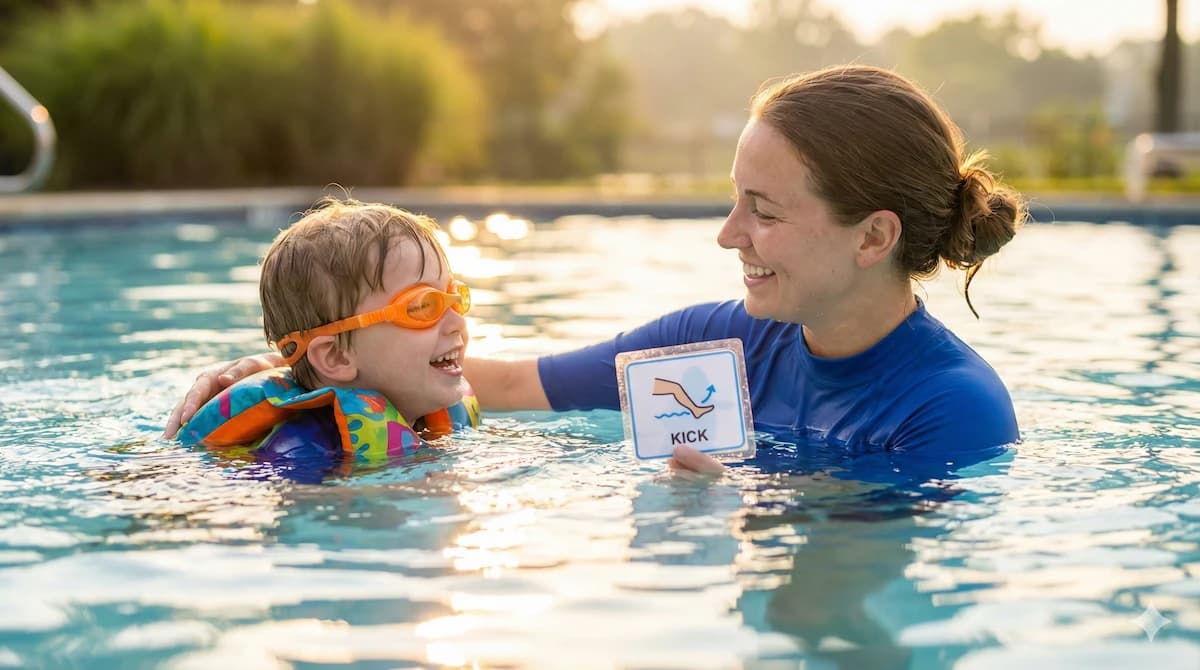
Why affirming swimming lessons save lives: making aquatics safe for all
Autistic children are 160x more likely to drown, yet 91% of families leave aquatic services dissatisfied. Antoinette Spear of Autism Swim shares how to find truly inclusive swimming providers, why inclusion looks different for every child, and why water should be a place of belonging, not fear. Essential listening for parents, educators, and policymakers.
Read more
Why we built Understanding Zoe: The real story
Laetitia Andrac, co-founder of Understanding Zoe, shares the origin story of the platform that began at a kitchen table. Drowning in reports from multiple therapists and schools, Laetitia combined her 15 years of AI expertise with intimate knowledge of her daughter Zoe's needs to create a tool that consolidates information and helps care teams understand neurodivergent children as individuals. The episode explores how research with thousands of Australian families revealed the invisible load: parents of neurodivergent children carry 33 extra hours of work per week, 93% feel unseen and misunderstood, and the system was never designed to fit. Understanding Zoe exists to make that invisible load visible and help neurodivergent families feel safe, seen and understood.
Read more