Beyond words: How to honour all types of communication
Communication extends far beyond spoken words. Speech therapist Christina Schmidt explores the full spectrum of human expression, from gestures and movement to silence and art,and shares practical strategies for parents and educators to recognise and honour how their neurodivergent child already communicates. Discover why we unconsciously prioritise speech, how to slow down and notice micro-moments of communication, and why treating communication as a human right transforms families and systems.
In short
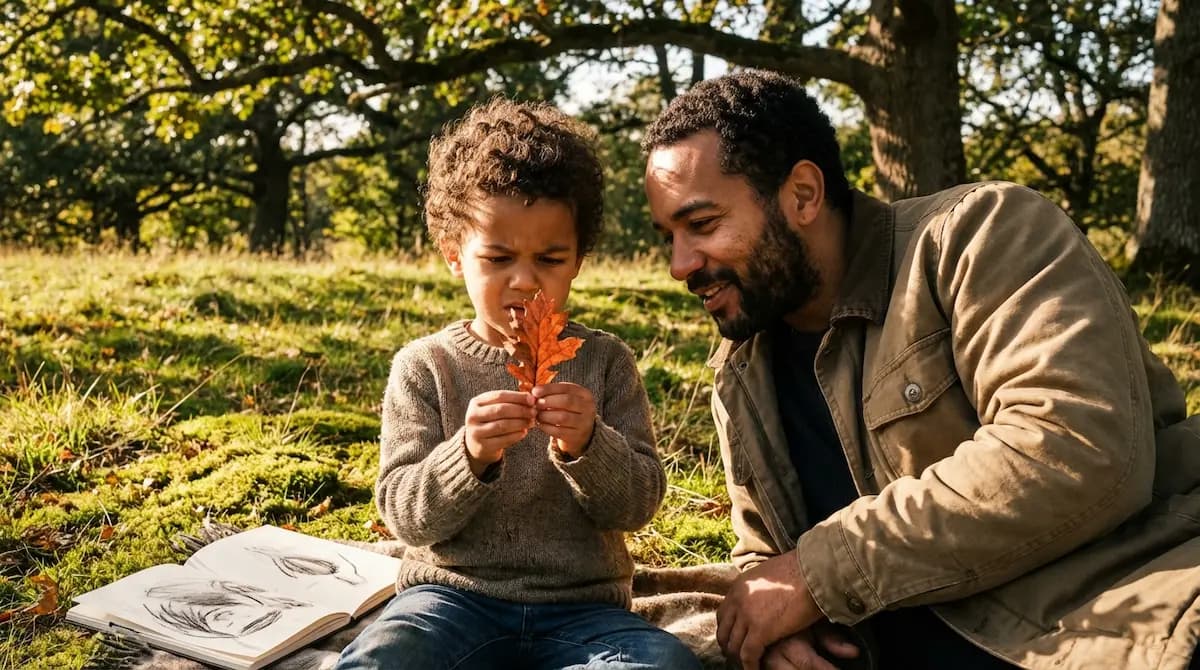
Your child is already communicating. Gestures, movement, stimming, AAC, art, scripting and even silence all carry meaning. Speech sits at the top only because our systems put it there. Get curious about how your child already gets a message across. Slow down and notice the micro moments. Add visual supports instead of correcting.
Your child pushes the plate away. They turn their body towards the door. They hum a familiar tune from their favourite show. And somewhere in your mind, a voice whispers: They're trying to tell me something.
But then another voice, louder, cuts through. The voice of the teacher who says "use your words." The therapist who celebrates the first spoken word as if nothing else mattered. The well-meaning relative who asks, "When will they start talking properly?" And suddenly, you're second-guessing yourself. Maybe you're reading too much into it. Maybe you need to push harder for speech.
What if that first instinct was right? What if your child has been communicating all along through AAC, gestures, movement, and countless other ways, and the problem isn't their silence but our inability to listen?
In Episode 10 of the Neurodivergent Pulse podcast, host Laetitia Andrac sits down with Christina Schmidt (she/her), a Black African-American-Australian, AuDHD speech therapist and founder of Free to Be Me Speech Therapy in Naarm (Melbourne, Australia), to explore communication beyond spoken words. Their conversation moves through rhythm, movement, art, gesture, silence, and the micro-moments that tell us far more than words ever could.
What communication beyond words really looks like
When Christina talks about communication, she's not just talking about alternatives to speech. She's talking about a full spectrum of human expression that existed before language arrived and continues to carry meaning every single day.
"Communication has always for me been more than just words," Christina shares. "It's really like the movement. It's our energy. It's our rhythm. It's our expression that's human. So it's the way that we connect before language even arrives for us."
This spectrum includes:
Gestures and body movement
Facial expressions (or the absence of them)
Augmentative and Alternative Communication (AAC) devices
Stimming
Sounds and vocalisations
Typing and writing
Drawing and art
Videos and memes
Silence
Yes, silence. Christina is clear: "Silence is a part of our communication too. Just sitting and or standing and or moving and being with others is also a form of communication and can be super powerful."
There is no hierarchy here. Speech doesn't sit at the top of some imaginary pyramid. "When we recognise communication in its many forms," Christina explains, "we're saying to others that I see you and I'm listening, even if you're not speaking."
Why we unconsciously prioritise speech over other communication
If all forms of communication are valid, why does speech still dominate our expectations? Why do we celebrate a first word more than a first gesture or a first time a child uses a picture to tell us what they need?
The answer is systemic and cultural. Speech gets equated with intelligence, so deeply embedded that even speech therapists have to actively work against it. Our research on neurodivergent families found that over three in five parents raising neurodivergent children also identify as neurodivergent themselves, many navigating similar communication patterns and understanding firsthand why this hierarchy causes harm. Christina recalls catching herself having a bigger reaction when a mostly non-speaking client used a word, then reflecting: "Oh, I've actually communicated to my client that their oral language, their spoken word, is what's valued more than everything else that they've communicated with me."
This hierarchy filters into everything. School expectations, therapy goals, funding systems. The way we design classrooms and playgrounds and family gatherings. It shapes what gets celebrated and what gets overlooked.
The pressure to "use your words" isn't just a phrase. It's a reflection of a system that wasn't built to recognise or honour communication diversity. And when parents feel that pressure, when they're told their child needs to speak to be understood, it's not because they're failing. It's because the system is. If you're interested in reframing what communication goals should look like, there are practitioners actively challenging these outdated norms.
How to recognise when your child is already communicating
How do you shift from unconsciously prioritising speech to genuinely recognising and celebrating all the ways your child communicates? Christina offers concrete strategies that parents and educators can start using immediately.
First, get curious. "It's even reflecting and asking yourself," Christina suggests, "how does this person who I'm supporting and wanting to continue to support as well as I can, how are they best getting their message across now?" Notice what's already happening. Are they pushing something away to show they don't want it? Are they moving towards something they're interested in? Are they making sounds that convey emotion or need?
Second, slow down. "Just slowing down. Really slow down, tune in, get curious, reflect. It's the micro moments. It's the micro moments of communication when we're going fast and we don't see it." A quick glance. A pause. A shift in body language. These moments tell us so much, but only if we're paying attention. This practice of slowing down and recognising the micro-moments can be especially powerful during times of dysregulation.
Here are Christina's key strategies:
Get curious about how the person already communicates, rather than trying to change or add to their communication
Slow down and tune into micro-moments: a glance, a pause, a shift in body language
Don't correct different communication styles. Instead, add visual supports like photos or language boards
Mirror their communication. If they're humming, hum with them. If they're moving, move with them. This shows you see and hear them
Remember that not all communication is meant for others. Stimming, echolalia, and sounds may serve the person themselves, and that's valid too
Christina also emphasises the importance of adding supports without taking anything away. "There's no need to correct it and in addition to that you know adding on you know that visual component like supporting them with visuals photos um language boards or core word boards um and even your body like I said before like mirroring their body movements."
If you're tracking your child's communication patterns and trying to understand what works best for them, tools like Understanding Zoe can help you turn observations into actionable insights. Noticing patterns over time, what environments support communication, what times of day are easiest, can make a real difference in how you support your child.
Pip remembers the appointments, the notes and the small wins, so you don't have to.
7 days free on iPhone and Android.
When you get it wrong (and how to repair)
Even with the best intentions, you're going to make mistakes. You'll catch yourself saying "use your words." You'll have a bigger reaction to speech than to other forms of communication. You'll miss a moment because you were moving too fast.
Christina wants you to know: that's okay. What matters is what you do next.
She shares a powerful example from just the day before the podcast recording. A child became dysregulated at school and ran away. A staff member found them and said, "Use your words. You have such beautiful words." Christina, who was nearby, gently reframed it: "I know that words can be hard to use when your battery is low."
The beautiful part? The staff member immediately apologised to the child. "Oh, yeah, that's right. I'm sorry that I pressured you."
"We can repair communication too and that's what's a part of communication," Christina explains. "It shows that person you know hey I want to do my best by you and this is a learning process you know it's reciprocal."
Repair doesn't erase the mistake, but it communicates something crucial: I see what happened, I'm learning, and your communication matters to me.
Why communication is a human right, not a privilege
Communication is a human right, not a privilege.
This is Christina's core message, and it reframes everything. When we limit what "counts" as communication, we don't just create inconvenience. We silence people. We erase parts of their identity.
"When we limit what counts as communication, we silence people and we erase them or erase parts of them and their identity and who they are," Christina says. "But when we open up to communication diversity, what we're doing is we're inviting, we're calling in more empathy and creativity and understanding into our world."
This isn't just theory. Understanding Zoe's research shows that nine in ten parents of neurodivergent children feel their experience is misunderstood or invisible, revealing how deeply communication hierarchies impact entire families.
The barriers to communication diversity aren't just individual. They're systemic. The hierarchy where speech sits at the top filters into school expectations, therapy goals, and funding systems. There's a significant lack of access to AAC devices, training, and culturally and linguistically diverse representation for AAC users.
"Accessibility is not just about tools," Christina emphasises. "It is also about the mindset and the inclusion and the equity." True support means every communicator has both the right tools and the right support people.
Christina's work at Free to Be Me Speech Therapy embodies this philosophy. She supports people to communicate in the ways that feel most authentic to them, whatever that might look like at any given time. Her practice upholds neurodiversity-affirming care and cultural responsiveness, recognising that communication is deeply personal and deeply tied to identity.
If you want to connect with Christina, explore her resources, or learn more about her work, she welcomes it. As she says, "I love for people to let me know what resonates with them."
The invitation
Your child is already communicating. Through the way they move. Through the sounds they make. Through the art they create or the silence they hold. The invitation isn't to teach them to communicate. It's to learn to listen in a language you might not have been taught.
This week, notice one moment of communication that doesn't involve words. What is your child telling you? What happens when you slow down enough to truly see it?
Trust that first instinct. The one that whispers, They're trying to tell me something. Because they are. And you're exactly the right person to hear them.
Connect with Christina Schmidt
Website and shop: Free to Be Me Speech Therapy
Linktree (resources, social media, and more): https://linktr.ee/FreetoBeMe.speech
Pip is not a doctor or therapist. It helps you organise and prepare, not diagnose or treat.
In a crisis call 000. Lifeline 13 11 14. Kids Helpline 1800 55 1800. 13YARN 13 92 76.

Ready to put it all in one calm place?
Tell Pip one thing today. It remembers the rest.
Stored in Australia, encrypted. Cancel before day 8 and you won't be charged.
Related articles
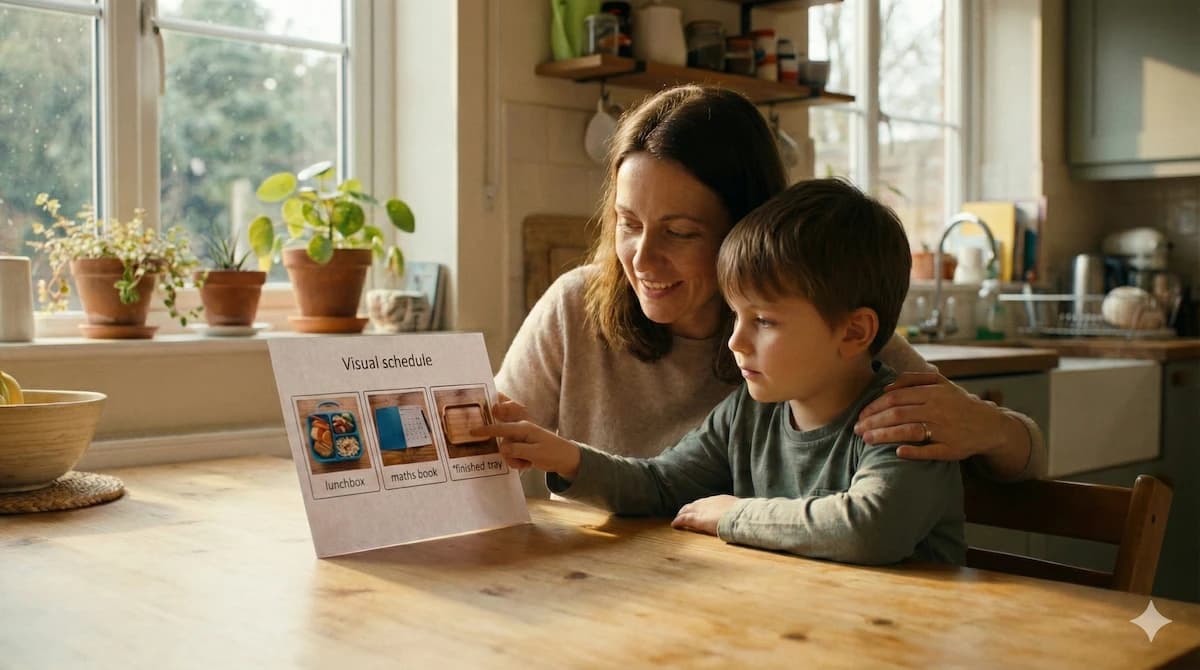
Communication breakdown: How visual supports ease executive overload
Why do visual supports work when words fail? In this Neurodivergent Pulse episode, speech pathologist Jenn Winstone and behaviour support practitioner Jess Shahbazi explain executive functioning overload as a capacity issue, not a behaviour problem. They share how visuals create "anchors for emotional security" that help neurodivergent children understand, transition, and thrive. Includes practical strategies and a moving hospital story.
Read more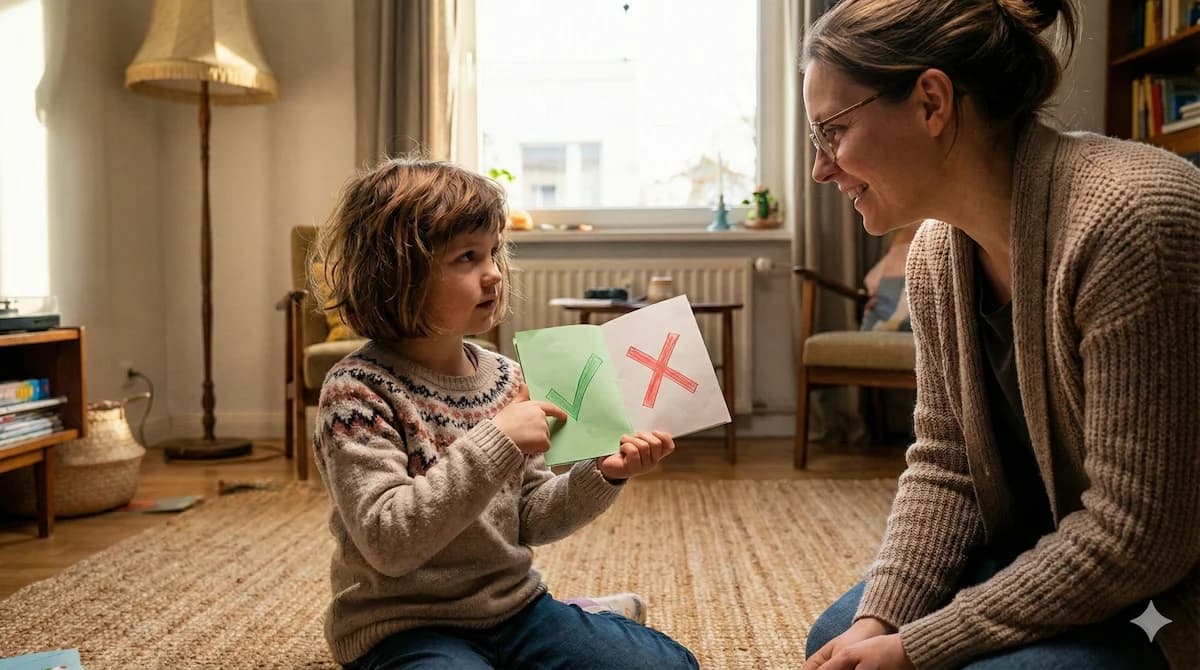
Rethinking speech goals: Communication that truly supports autistic kids
Speech therapist and AuDHDer Adina Levy challenges us to rethink communication goals for neurodivergent kids. Why are we prioritising "normal-looking" speech over authentic connection? Learn how to spot compliance-focused goals, what questions to ask your child's team, and discover the beautiful story of a child who created her own communication tool when she didn't feel like talking.
Read more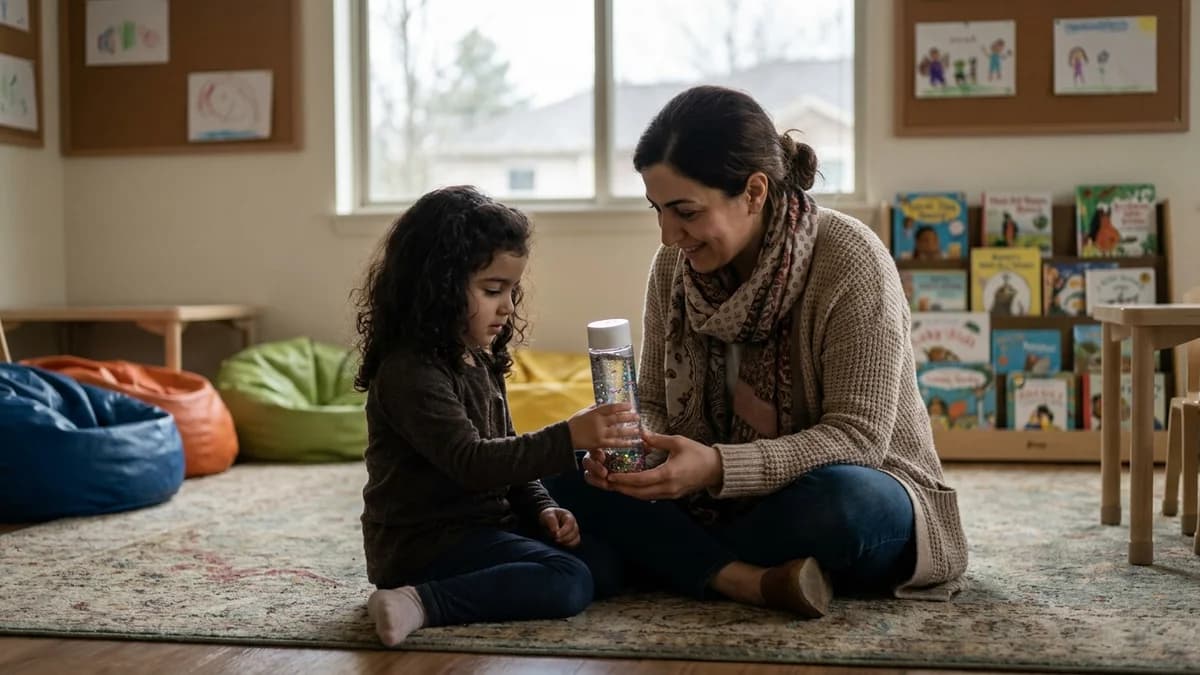
Every behaviour is communication: co-regulation guide
When a neurodivergent child is dysregulated, their frontal lobe is offline, making words inaccessible. This article, based on Episode 37 of the Neurodivergent Pulse podcast with speech pathologist Alana Cameron, reframes behaviour as communication and shows parents and educators how co-regulation actually works. Learn why "use your words" deepens dysregulation, how to recognise your own nervous system cues, and what neuroaffirming support looks like in practice, from meltdowns to classrooms.
Read more