Unschooling neurodivergent kids: Trust over curriculum
Unschooling offers neurodivergent families an alternative to traditional schooling by prioritising child-led learning, nervous system safety, and curiosity over curriculum. In this article based on Episode 24 of Neurodivergent Pulse, Melissa Crockett-Joyoue (founder of Weave ND) explains why regulation is essential for learning, how special interests become powerful learning pathways, and why parents must do their own healing work.
In short
Unschooling is child-led learning where education emerges through curiosity, interests, and everyday life, not a predetermined curriculum. Traditional schooling often fails neurodivergent children because it prioritises conformity, compliance, and neurotypical learning styles. Regulation and nervous system safety are essential for learning. Without them, the brain cannot engage in meaningful learning. Special interests are powerful learning pathways, not distractions. They lead to deep, multidisciplinary learning and intrinsic motivation. Unschooling requires parents to do their own healing work, unlearning societal expectations and trusting their child's process. Community support is essential. Connecting with other unschooling families reduces isolation and provides solidarity. Unschooling isn't for everyone, but for families where traditional schooling is causing harm, it can be a life-changing alternative.
Unschooling neurodivergent kids: trusting curiosity over curriculum
What if learning didn't have to follow a curriculum? Melissa Crockett-Joyoue shares how unschooling honours neurodivergent children's natural curiosity, regulation needs, and right to learn on their own terms.
This article is based on Episode 24 of Neurodivergent Pulse, hosted by Laetitia Andrac and featuring Melissa Crockett-Joyoue, founder of Weave ND, an online community supporting neurodivergent unschooling families worldwide.
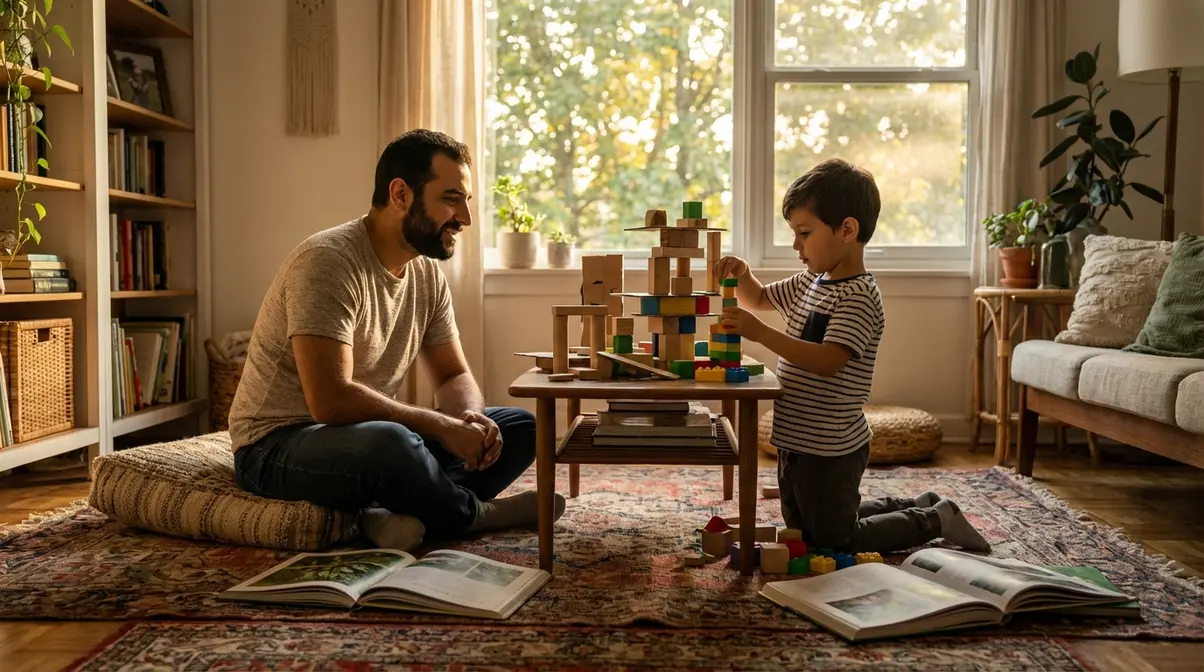
Picture this: Your child wakes up on a Tuesday morning. Instead of rushing to get dressed, pack a bag, and catch the bus, they spend the morning building an elaborate Lego city. By lunchtime, they've researched ancient Roman architecture online. By dinner, they're sketching their own building designs.
No curriculum. No worksheets. No teacher directing the day.
Just pure, self-directed learning driven by curiosity.
For many neurodivergent families, this isn't just an educational choice. It's a lifeline.
What is unschooling? (And what it's not)
First, let's clear up the biggest misconception: unschooling is not "doing nothing."
As Melissa explains:
Unschooling is just a very broad umbrella term for what some people call life learning, self-directed education, child-led learning, etc. So, it's anything where the children's learning is directed by the children and supported by the parents.
Melissa Crockett-Joyoue
It's not about rejecting education. It's about rejecting the idea that education can only happen one way: sitting at a desk, following a curriculum, being tested and graded.
For neurodivergent children, this distinction matters deeply.
Why traditional schooling often fails neurodivergent children
Melissa's journey to unschooling began when her son experienced school refusal from his very first day. She realised traditional schooling wasn't supporting his wellbeing or honouring what neurodivergent children need to thrive.
This experience mirrors what many families face during education breakdown, which we explored in our episode on School Can't and education breakdown.
The reality? Mainstream schooling is designed for a neurotypical majority. It prioritises:
Sitting still for extended periods
Processing auditory instructions quickly
Switching between tasks on demand
Performing under time pressure
Socialising in large, noisy groups
Conforming to rigid schedules and expectations
For many neurodivergent children, these demands aren't just challenging. They're actively harmful to their nervous systems.
Understanding Zoe's research on neurodivergent families found that when a child's nervous system is in survival mode (stressed, overwhelmed, or unsafe), the brain's capacity for learning shuts down.
As Melissa shares, her son was "having constant stomach aches" and "getting vomiting migraines a few times a week." His school refusal wasn't defiance. It was his nervous system saying: "I cannot do this anymore."
Regulation and safety: the true foundations of learning
One of the most powerful insights Melissa offers is this: learning cannot happen without regulation.
When a child's nervous system is in survival mode, the brain's capacity for learning shuts down. This is neuroscience, not a choice.
All of these lower building blocks around their identity and their mental health basically are absolutely key for a child to be regulated enough to be able to learn.
Melissa Crockett-Joyoue
Traditional schooling often ignores this reality. Children are expected to "push through" discomfort, mask their struggles, and perform regardless of their internal state.
Unschooling flips this script. It prioritises nervous system safety first, trusting that when children feel safe and regulated, learning follows naturally.
Unschooling requires creating home environments that support learning through everyday life. For families creating ADHD-friendly home environments, this means designing spaces that honour sensory needs, reduce overwhelm, and allow curiosity to flourish.
When children are dysregulated, learning cannot happen. Understanding strategies for managing emotional outbursts helps families create the calm foundation necessary for curiosity-led learning to emerge.
Pip remembers the appointments, the notes and the small wins, so you don't have to.
7 days free on iPhone and Android.
Special interests: not distractions, but gateways to learning
In traditional schooling, special interests are often seen as distractions to be managed or redirected.
In unschooling, they're celebrated as powerful learning pathways.
Melissa shares how her children's deep dives into topics like Lego, plant propagation, and animal care have led to rich, multidisciplinary learning. Her son, she explains, "is extremely interested and has been since he was two. Lego is special interest and as a gifted visual spatial learner that's huge for him."
In unschooling, special interests and play aren't separate from learning; they are the learning. We explored this in depth in our conversation about how play becomes a powerful gateway to learning, where curiosity drives genuine engagement and skill development.
That's why it's so fantastic for neurodivergent kids because they can follow their hyperfocus and out of that they will go on their own trajectory that will generally include all different kinds of learning.
Melissa Crockett-Joyoue
This approach also honours neurodivergent learning styles, which often involve:
Deep, focused exploration of specific topics
Non-linear learning pathways
Hands-on, experiential learning
Learning through play, movement, and creativity
Rather than forcing children to fit a curriculum, unschooling allows the learning to fit the child.
The parent's journey: unlearning and healing
Melissa is refreshingly honest about this: unschooling often requires parents to do their own healing work.
Most of us were raised in traditional schooling systems. We internalised beliefs about what learning "should" look like, what success means, and how children "should" behave.
Unschooling challenges all of that.
This journey is deeply personal, and for many families, it's also intergenerational. Our research shows that over three in five parents raising neurodivergent children also identify as neurodivergent themselves, either formally assessed or self-identified. These parents understand their children's needs not just as caregivers, but through their own lived experience of navigating systems built for neurotypical minds.
Unschooling often requires parents to do their own healing and unlearning, letting go of what education "should" look like. This mirrors the journey of embracing the chaos of neurodivergent parenting rather than trying to control or fix it.
When I heard of unschooling, I thought that it was kind of, you know, random hippie parents just like not really doing much. But as I've seen in the unschooling world is very very intense personal work for the parents on observing and a lot of work on your own self and your thoughts about how things should be and how children should be.
Melissa Crockett-Joyoue
This journey often involves:
Confronting your own school trauma
Releasing the need for external validation (grades, milestones, comparisons)
Learning to trust your child's timeline and process
Navigating judgment from family, friends, and society
Building confidence in your decision, even when it's unconventional
Melissa emphasises that this work is ongoing. And that's okay. You don't have to have it all figured out before you start.
The lifeline for unschooling families
One of the most powerful aspects of Melissa's work with Weave ND is the emphasis on community.
Unschooling can feel isolating, especially for neurodivergent families who may already feel marginalised by mainstream systems.
Having a community of families who "get it" (who understand the challenges, celebrate the wins, and offer support without judgment) is essential. As Melissa notes, the unschooling community has a strong neurodivergent focus: "Honestly so many unschoolers are neurodivergent in some way shape or form and their families."
Weave ND provides this space for neurodivergent unschooling families worldwide, offering connection, resources, and solidarity.
Whether you're just exploring unschooling or years into the journey, finding your people matters.
Is unschooling right for your family?
Unschooling isn't for everyone. And that's okay.
It requires significant shifts in mindset, lifestyle, and often, financial circumstances (as many families need at least one parent available during the day).
But if you're considering it, here are some questions to reflect on:
Is traditional schooling causing harm to my child's wellbeing or nervous system?
Am I willing to trust my child's natural curiosity and learning process?
Can I create space (physically, emotionally, financially) for this approach?
Am I ready to do my own unlearning and healing work?
Do I have (or can I build) a support network of like-minded families?
Melissa offers a powerful reframe: "Instead of why not try school first and see if that works for you, why not try home education first because if it doesn't work and you can't deal with it as a parent and you can't cope, they're not going to be any further behind than any of the children in their classes."
And she warns against waiting too long: "If you wait until they are in burnout and in school refusal, you're going to be working with a kid that is damaged and has school trauma. That means it's going to be a much longer trajectory before you start to be able to actually really get into the learning."
Trust the process. Trust your child. Trust yourself.
Final thoughts: trusting the process
Melissa's story, and the stories of countless unschooling families, remind us of a profound truth:
Children are natural learners.
When we create environments where they feel safe, seen, and supported, learning happens. Not because we force it, but because curiosity is innate.
Unschooling isn't about abandoning education. It's about reclaiming it, honouring each child's unique brain, timeline, and way of engaging with the world.
For neurodivergent children, this approach can be transformative. It removes the pressure to conform, the trauma of constant failure, and the message that they're "not enough."
Instead, it offers something radical: trust.
Trust in their capacity to learn. Trust in their interests. Trust in their timeline.
And most importantly, trust in yourself as a parent to guide them on this journey.
As Melissa powerfully puts it:
No one is coming to rescue our children. And we're going to have to do it and then no one is coming to rescue us and we're going to have to do the work on ourselves.
Melissa Crockett-Joyoue
If you're exploring unschooling, know this: You don't have to have it all figured out. Start where you are. Trust the process. Find your community.
And remember: your child's learning journey is uniquely theirs. Honour it.
Connect with Melissa
Melissa Crockett-Joyoue is the founder of Weave ND, an international online membership community supporting neurodivergent unschooling families. She is also a co-organiser of The Unschooling Summit, a global event celebrating child-led learning.
Melissa lives in Aotearoa (New Zealand), is Māori, AuDHD, and the mama of two unschooled neurodivergent children. Her work centres on connection, community, and empowering families to trust their children's natural curiosity and capacity to learn.
Weave ND Community: weave-community.mn.co
Instagram: @weave_nd | @mama.weaves
The Unschooling Summit: theunschoolingsummit.org
Summit Instagram: @theunschoolingsummit
Facebook: Weave ND on Facebook
Frequently asked questions
What is the difference between unschooling and homeschooling?
Homeschooling typically follows a structured curriculum at home, often mirroring traditional schooling. Unschooling is child-led and curriculum-free, with learning emerging naturally through everyday life, interests, and experiences.
Is unschooling legal?
Unschooling is legal in many countries, including Australia, New Zealand, the US, Canada, and the UK, though registration and reporting requirements vary by region. Families typically register as homeschoolers and demonstrate learning through portfolios, journals, or other documentation.
Will my child fall behind academically?
Research shows that unschooled children often perform as well as or better than traditionally schooled peers on standardised tests when they choose to take them. More importantly, they develop strong critical thinking, self-direction, and intrinsic motivation (skills that serve them well in life and work).
What about socialisation?
Unschooled children often have rich social lives through community groups, sports, arts programs, co-ops, and interest-based activities. Many families find that unschooling allows for more authentic, diverse social connections than traditional schooling's age-segregated model.
Can unschooled children go to university?
Yes. Many unschooled young people successfully transition to university, TAFE, apprenticeships, or other pathways. Melissa shares examples of unschooled children being accepted into universities in Melbourne and England based on portfolios, interviews, and entrance exams. As she notes, when internally motivated, neurodivergent youth "can cram into six months to a year's worth of learning if they're passionate about a subject."
What if my child just wants to play video games all day?
This is a common fear, and often a transition phase. When children first leave school, they may need time to decompress and rediscover their intrinsic motivation. With trust, support, and engagement from parents, interests naturally expand. Video games themselves can also be rich learning environments (problem-solving, strategy, reading, collaboration).
Do I need to be a teacher to unschool?
No. Unschooling is about facilitating learning, not delivering lessons. Your role is to provide resources, support interests, model curiosity, and create a rich learning environment. You're a guide and co-learner, not a teacher in the traditional sense.
What if my partner or family doesn't support unschooling?
This is challenging. Open, ongoing communication is key. Share research, connect with other unschooling families, and consider starting slowly (e.g., "deschooling" during school holidays). Some families find that seeing the positive changes in their child helps shift perspectives over time.
Ready to support your neurodivergent child's learning journey?
Whether you're exploring unschooling, navigating traditional schooling, or somewhere in between, Understanding Zoe helps you track patterns, understand behaviours, and create personalised support strategies for your child.
Our AI-powered app turns observations, reports, and daily experiences into actionable insights, so you can support your child's unique learning style with confidence.
Pip is not a doctor or therapist. It helps you organise and prepare, not diagnose or treat.
In a crisis call 000. Lifeline 13 11 14. Kids Helpline 1800 55 1800. 13YARN 13 92 76.

Ready to put it all in one calm place?
Tell Pip one thing today. It remembers the rest.
Stored in Australia, encrypted. Cancel before day 8 and you won't be charged.
Related articles
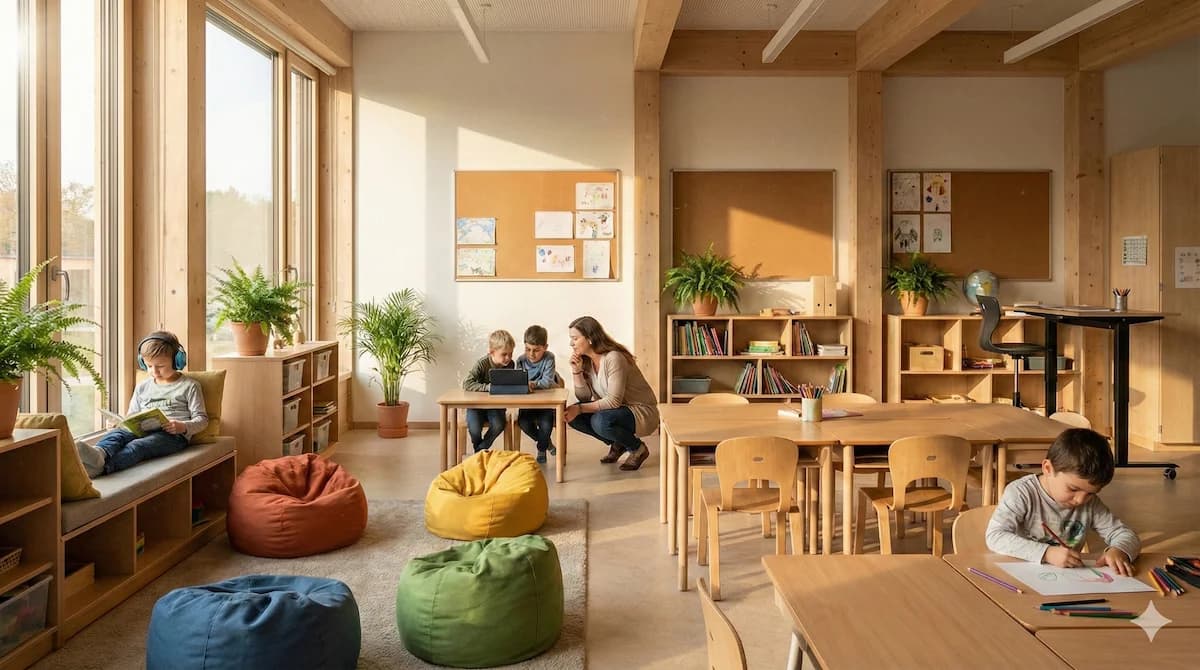
How to create neuroaffirming classrooms
What does it take for neurodivergent children to feel truly safe at school? Educator Millie Carr shares practical strategies for creating neuroaffirming classrooms on our podcast. From Universal Design for Learning to teaching equity over equality, discover how teachers and parents can work together to build inclusive spaces where every brain type belongs. With 96% of teachers feeling unprepared to support neurodivergent students, this conversation offers hope and a path forward.
Read more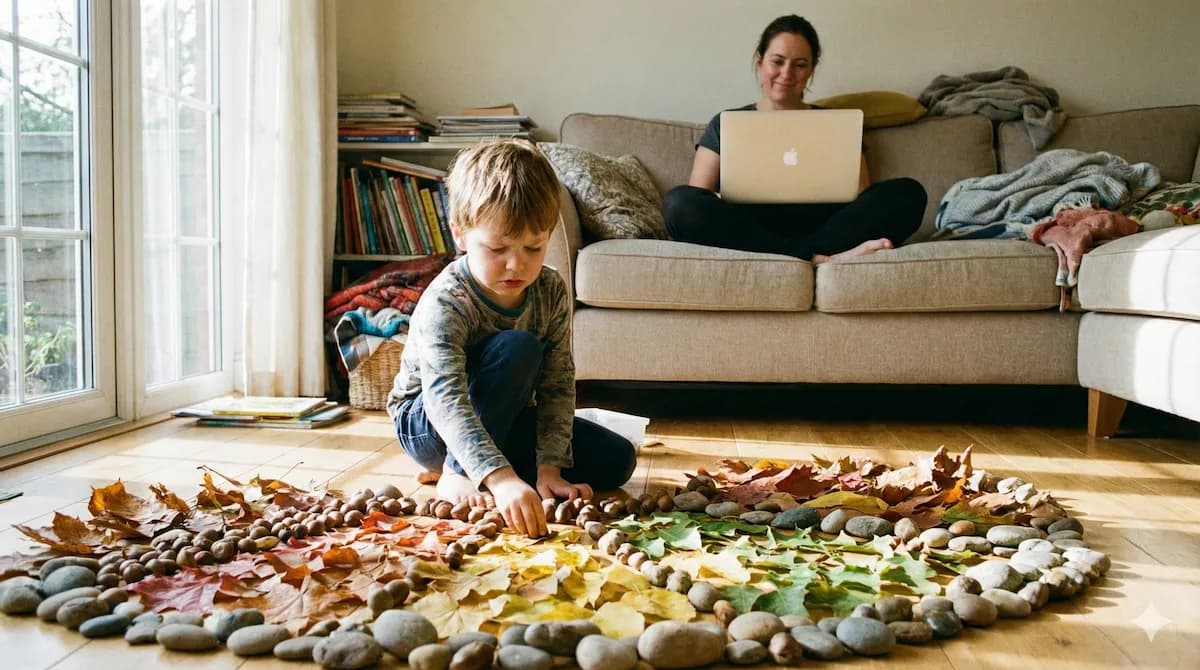
Play is learning: How curiosity helps neurodivergent kids thrive
What if play was never a break from learning, but the learning itself? In this episode, Angie and Kaycee Larney from Curious Me share why messy, chaotic, special-interest play is exactly what neurodivergent kids need. Learn how to shift from "be careful" to curiosity, honour your child's process, and trust that today's car-lining might be tomorrow's life skill.
Read more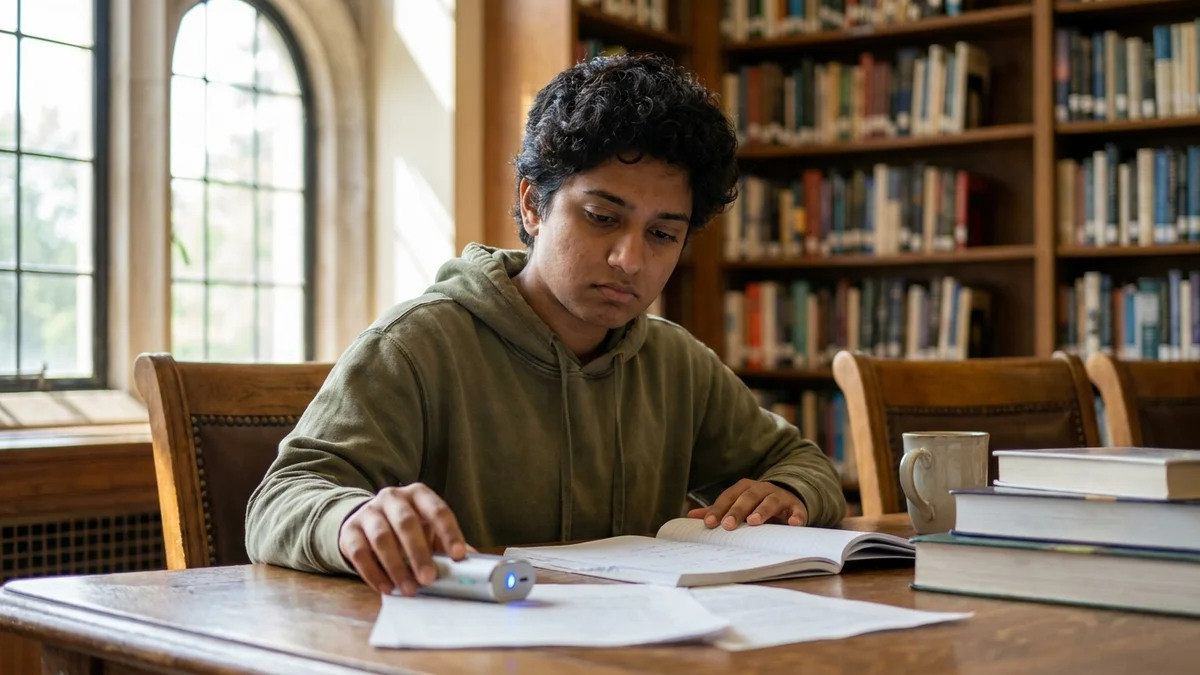
The hidden cost of AuDHD in academia
Neurodivergent students often perform well academically while experiencing severe burnout and exhaustion that parents rarely see. Jocelyn Green, an AuDHD student and advocate, explains why neurodivergent brains work twice as hard just to keep pace, why success stories can be harmful when they hide the cost, and what accommodations genuinely help. This episode challenges the myth that good grades equal wellbeing and invites parents to recognise the invisible toll of masking, the reality of autistic burnout, and the grace their child needs most.
Read more