The 5 things your neurodivergent child actually needs
Understanding your neurodivergent child's needs can be life-changing. Instead of forcing them to conform to "neurotypical" standards, it's important to acknowledge their unique qualities and support them in a way that helps them flourish. Here's what your neurodivergent child actually needs

In short
Your neurodivergent child does not need fixing. They need an environment that fits how they think. That means a school that adapts. It means accommodations for sensory and emotional load. It means space to stop masking. Masking is not a choice. It is exhausting, and it costs them their sense of self.
Understanding your neurodivergent child's needs can be life-changing. Instead of forcing them to conform to "neurotypical" standards, it's important to acknowledge their unique qualities and support them in a way that helps them flourish. Here's what your neurodivergent child actually needs:
1. An Environment That Embraces Their Unique Way of Thinking
Your neurodivergent child doesn’t need to change to fit into the “neurotypical” standard. What they need is an environment that recognises and embraces their unique way of thinking and being. Support and understanding are essential to helping them thrive.
2. Educational Systems That Adapt to Their Needs
Your neurodivergent child isn’t failing at school. The school system is failing them. The education system needs to adapt to their needs by using personalised learning approaches that recognise their strengths and challenges, rather than expecting them to conform to a one-size-fits-all model.
3. Accommodations for Overwhelming Sensory and Emotional Experiences
Your neurodivergent child doesn’t need to “get used to” things that feel overwhelming or uncomfortable. What they need are accommodations that help them manage sensory sensitivities, emotional regulation, and communication styles, allowing them to navigate the world in a way that works for them.
4. Celebration of Their Unique Qualities
Your neurodivergent child isn’t strange for thinking, feeling, or interacting differently. What they need is to feel celebrated for their unique qualities, not pressured to conform to social expectations. Their way of thinking and interacting is valid, important, and valuable.
5. Acceptance, Love, and Support in a Neurodiverse World
Your neurodivergent child isn’t a broken version of a neurotypical person. They are perfectly neurodivergent. What they need is acceptance, love, and support in a world that sometimes struggles to understand neurodiversity. Embracing their neurodivergence is a strength not just for them, but for society as a whole.
Masking and Its Impact on Neurodivergent Children
To support these points, this article highlights the importance of understanding that masking, the act of hiding one’s true self to conform to social expectations, is not a choice for many neurodivergent individuals. It’s a response to external pressure, often leading to emotional and cognitive exhaustion, burnout, and a disconnect from one’s authentic self. Masking can be emotionally and physically draining, and its effects should not be underestimated.
Creating Inclusive Environments
Instead of pressuring neurodivergent children to mask, we need to create environments that embrace neurodiversity. This means recognising different communication styles, sensory needs, and learning approaches. Inclusive spaces should allow neurodivergent individuals to thrive without having to suppress who they truly are.
By shifting our focus from changing neurodivergent individuals to transforming our environments, we can build communities where everyone can participate authentically and feel supported.
Shifting Our Perspective on Neurodivergence
The goal is not to change neurodivergent individuals to fit into an external mould but to create a world that supports and celebrates their authentic selves. With understanding, accommodations, and a shift in how we view neurodiversity, we can help neurodivergent children thrive in a world that respects and celebrates their differences.
Join the Understanding Zoe Community
If you want to be supported in your journey parenting a neurodivergent child, we would love to welcome you as part of the Understanding Zoe community.
Getting started is simple:
Head to our beta sign-up page here.
Complete your account setup.
Start exploring and sharing your feedback with thumbs up and down!
By signing up now, you’ll gain early access to tools that save time, reduce stress, and make a real difference. Plus, you’ll join a growing movement of changemakers building a more neuroinclusive world.
We’re so grateful for everyone who chooses to walk this journey with us, and we can’t wait to welcome you into the Understanding Zoe community.
Pip remembers the appointments, the notes and the small wins, so you don't have to.
7 days free on iPhone and Android.
Further reading
Pip is not a doctor or therapist. It helps you organise and prepare, not diagnose or treat.
In a crisis call 000. Lifeline 13 11 14. Kids Helpline 1800 55 1800. 13YARN 13 92 76.
Ready to put it all in one calm place?
Tell Pip one thing today. It remembers the rest.
Stored in Australia, encrypted. Cancel before day 8 and you won't be charged.
Related articles
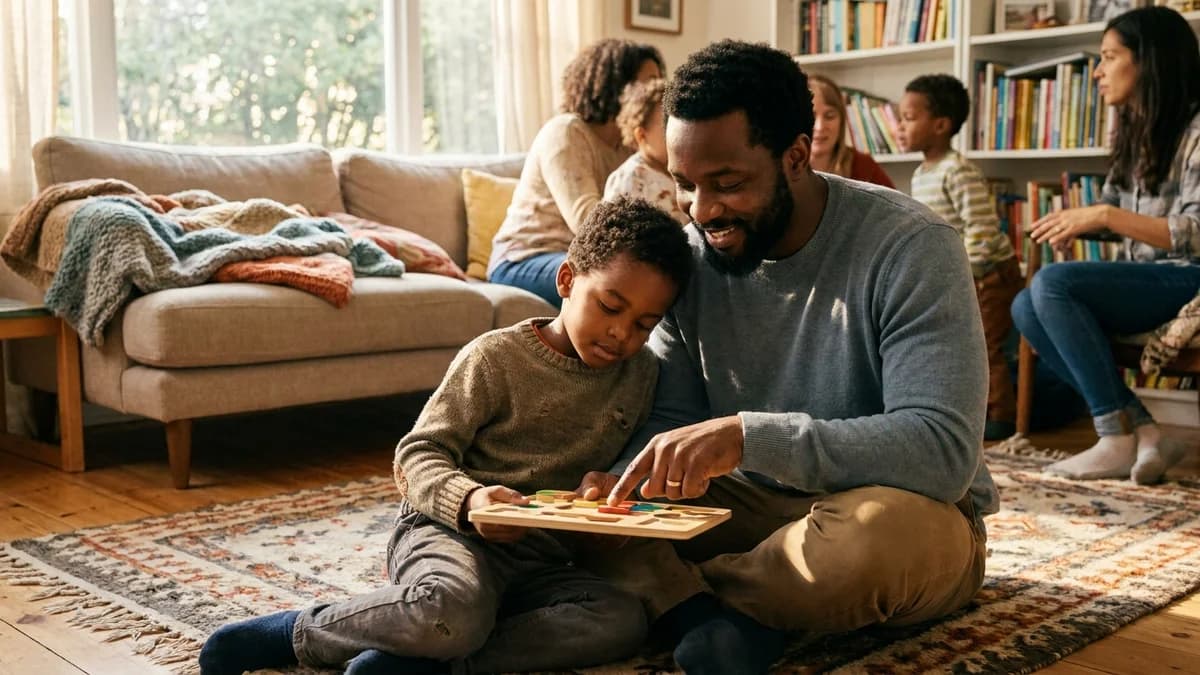
Where is the village? Building neurodivergent community
Neurodivergent families experience isolation at twice the rate of neurotypical families, not because they can't cope, but because most spaces were never designed for them. In this episode, Laetitia Andrac (co-founder of Understanding Zoe) explores what real community looks like for neurodivergent people and families. She shares practical strategies for creating sensory-friendly, inclusive gatherings where everyone genuinely feels welcome, and explains how to build your village deliberately, right where you are.
Read more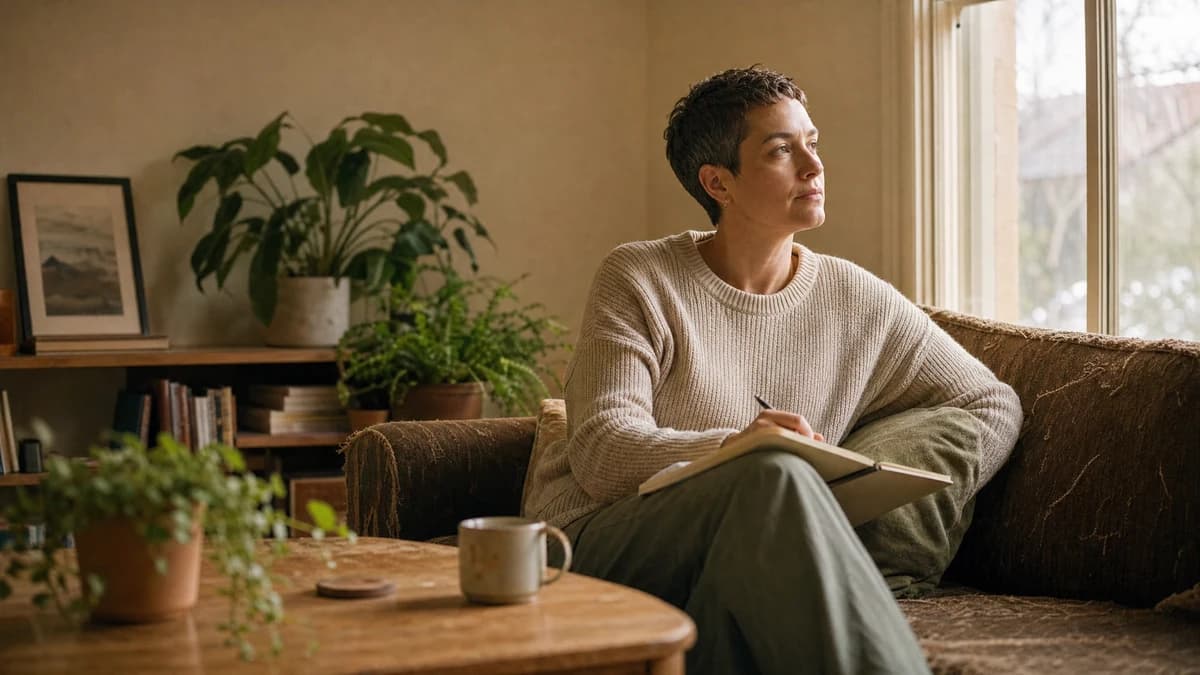
Why so many Autistic women and gender diverse people are identified late
Autism tests were built around boys, girls needed more visible difficulty to be assessed, and masking worked. Australia's own evidence on late identification.
Read more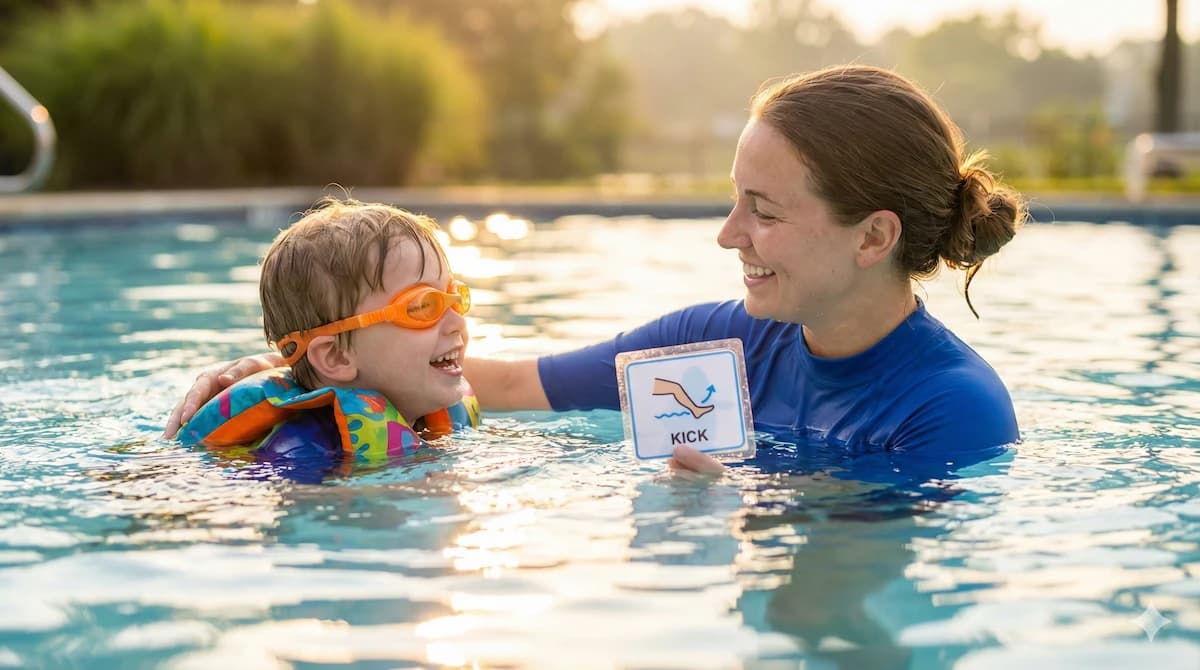
Why affirming swimming lessons save lives: making aquatics safe for all
Autistic children are 160x more likely to drown, yet 91% of families leave aquatic services dissatisfied. Antoinette Spear of Autism Swim shares how to find truly inclusive swimming providers, why inclusion looks different for every child, and why water should be a place of belonging, not fear. Essential listening for parents, educators, and policymakers.
Read more