In short

Rejection sensitive dysphoria, or RSD, is sudden, intense pain in response to rejection or criticism. It can also come from simply expecting it.

RSD is most often talked about in ADHD circles. A 2022 University of Sheffield study notes that people with ADHD are at high risk of criticism, and explores how adults experience it.

Source: Beaton, Sirois and Milne, University of Sheffield, Experiences of criticism in adults with ADHD, PLOS ONE, 2022.

Many ADHDers know RSD well. Plenty of Autistic people describe it too. We will call it RSD, or rejection sensitivity, from here on.

The feeling is real, and it is not an overreaction. A small comment can land like a verdict on your whole self. For many adults it arrives before any thought does.

Why rejection sensitive dysphoria is not a diagnosis, and why the name still helps

RSD is a description, not a diagnosis. For a lot of people, finding the words is the first relief.

You will not find RSD in the DSM-5, the manual clinicians use. It is a name the ADHD community uses because it matches what people feel.

Many people search for “rejection sensitive dysphoria”. Dysphoria is a clinical word for a deep, uneasy feeling. We mostly say RSD or rejection sensitivity, because they are plainer. We use all three on this page so you can find it.

Laetitia, our co-founder, is Autistic and ADHD. On our podcast she said the term “really helped me make sense of so many things”. That is often how it goes. The name does not change the feeling. It changes the story you tell about it.

What rejection sensitive dysphoria feels like from the inside

For many ADHDers, the pain lands first and the facts arrive later.

A short message with no greeting can read as anger. A “no” to one idea can feel like a “no” to you as a person. The body often joins in. You might notice a hot face, a tight chest or sudden tears.

Some people turn the feeling inward and go very quiet. Others feel it spill out as anger, and feel ashamed of that later. Many adults do both, depending on the day and how tired they are.

Afterwards, the mind can replay the moment for hours. That replay is part of RSD too. It is not a sign that you are dramatic or weak.

Podcast

“I would cry when we lost a proposal”

“When I was in strategic consulting, I would cry in a meeting with a board where we're not supposed to cry as consultants. I would cry when we lost a proposal.”

Laetitia Andrac, Autistic and ADHD co-founder of Understanding Zoe, speaking on The Neurodivergent Pulse, episode 41, 21 July 2026.

A partner at the firm once drew her three circles: rational, emotional and political. She was told she sat too much in the emotional one. Years later, the word RSD explained what that advice had missed.

Today she still cries on stage, and she no longer hides it. In her words, there is no growing out of RSD: “you grow to understand it and to live with it and to accept it.”

Why rejection sensitive dysphoria hits so hard for adults with ADHD

Many ADHDers grew up hearing more correction than most people. The nervous system learns to brace for it.

Researchers at the University of Sheffield studied this in 2022. Danielle Beaton, Fuschia Sirois and Elizabeth Milne led the work. They asked 162 adults about criticism, all ADHD or with high ADHD traits. Their study in PLOS ONE notes that people with ADHD are at high risk of criticism, and explores how adults experience it.

People in the study said criticism hurt their sense of self-worth. They also said something hopeful. Being understood by the people around them changed whether something felt like criticism at all.

That matches what many ADHDers describe. RSD is not only about the moment. It is about years of small corrections. The body learns to expect the next one.

Source: Beaton, Sirois and Milne, Experiences of criticism in adults with ADHD: A qualitative study, PLOS ONE, 2022.

What helps with rejection sensitive dysphoria in the moment

You cannot switch RSD off. You can give it less to hold on to, and get through the wave faster.

None of this makes RSD go away. It makes the moments shorter, and the recovery kinder to you.

One week, two rejections, in Laetitia's words

RSD does not stop when things go well. It just shows up in new places.

“…that familiar wave hit. You know, the rejection wave, and the sensitivity makes a "not selected" email feel like a verdict on everything you've built. So I sat with it. Let the emotions move through instead of pushing them down.”
Laetitia Andrac, Autistic and ADHD co-founder of Understanding Zoe, after two award applications did not go through.
Writing on LinkedIn, 1 September 2026.
A woman sitting quietly by a window at home
Laetitia Andrac on LinkedIn, 1 September 2026.

What she did next is worth noticing. She let the feeling pass first. Then she reminded herself what was true, and decided to apply again next year.

Rejection sensitive dysphoria at work and in relationships

For adults, RSD often shows up in small, everyday moments.

At work, it can make feedback feel dangerous. Some people over-prepare so there is nothing to criticise. Others avoid putting their ideas forward at all, because a “no” costs too much.

At home, RSD can turn a tired partner into a sign that something is wrong. It helps to agree some words together, like “I'm just tired, it's not about you.”

Many adults hide their RSD to get through the day. Hiding it takes a lot of energy. It often comes out later, at home or as burnout.

Being open about RSD is not equally safe for everyone. It can carry more risk for women and LGBTQIA+ people. The same goes for people in Black, Brown, Indigenous or Asian (BBIA) communities. Many people are in more than one of these groups, and the risk adds up. You get to decide where and when it is safe for you.

RSD often sits alongside executive function differences. A missed deadline and the shame about it can arrive together. Seeing both clearly helps.

If you are parenting a child with rejection sensitive dysphoria

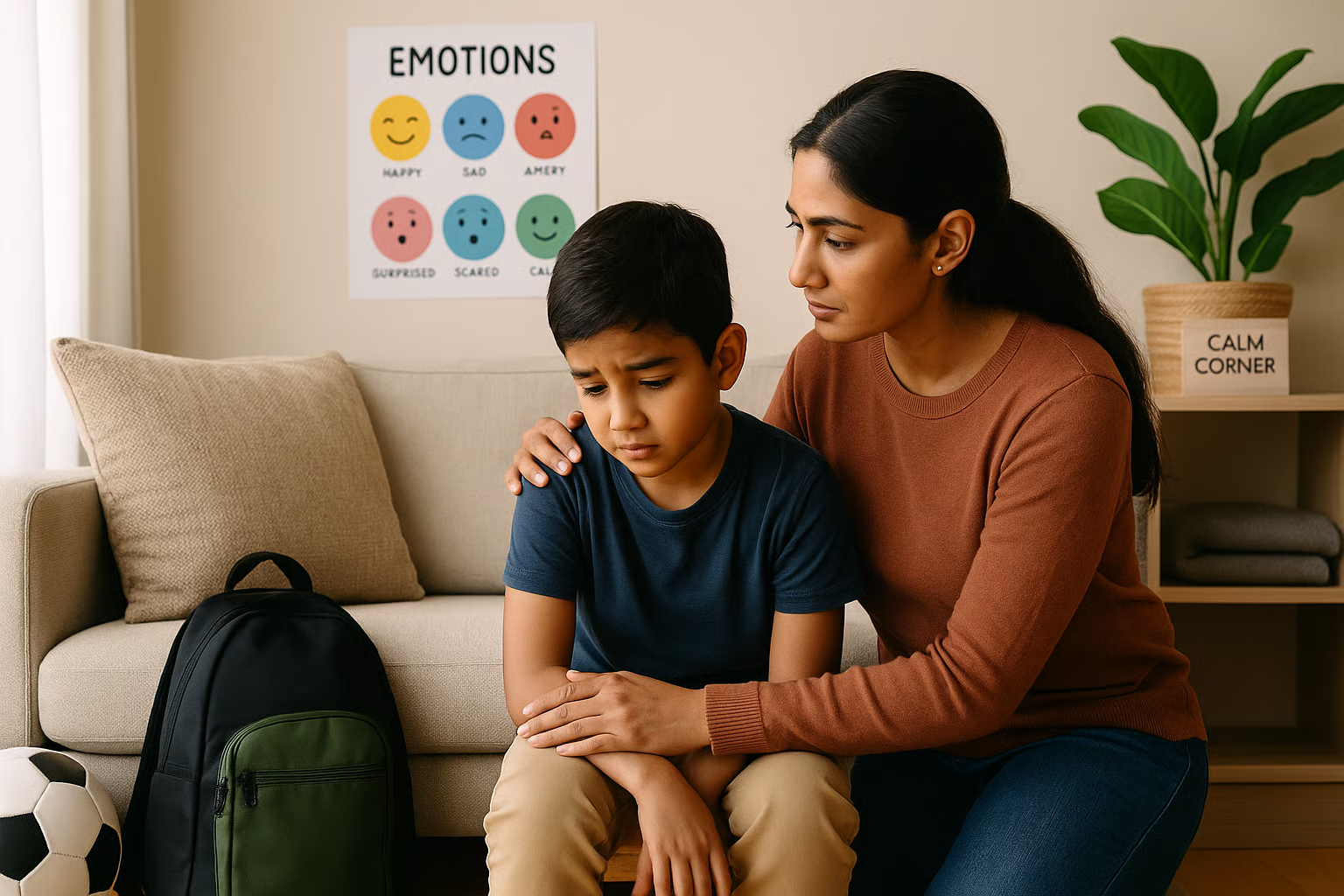
Children feel rejection sensitivity too, and they often have fewer words for it.

A child may cry, lash out or refuse to try again after a small setback. Naming the feeling before you correct anything helps them feel safe enough to recover.

We wrote a separate guide for parents on rejection sensitivity in ADHD kids. Parenting an ADHD daughter or gender diverse child? Read our page on ADHD in girls and gender diverse kids.

A free guide for families of ADHDers

How to Understand and Support Your ADHDer. It explains how ADHD works, without blame or shame. It includes home strategies and school scripts you can adapt.

Download the guide
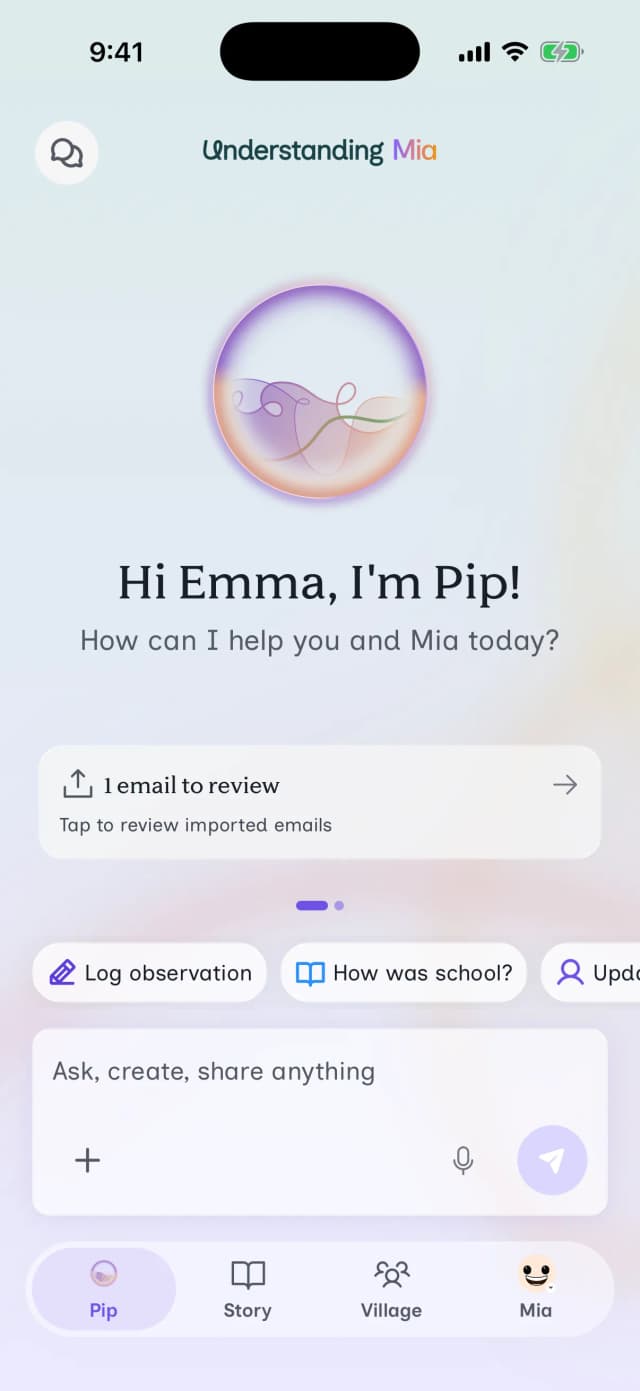
The Understanding Zoe app open on a phone, showing Pip's home screen

Where Understanding Zoe fits

You notice a lot, and you feel a lot. Understanding Zoe holds it with you, so it is not all in your head.

Pip* is your pocket coach inside the Understanding Zoe app. You talk to it by voice or text about what actually happened today. It writes the day down and gives you something to try straight away.

Over time it shows you patterns you were too tired to notice. Observations, appointments, reports and strategies all live in one private place.

You can invite people who support you, like a partner, a friend or a psychologist. You choose what each person sees, document by document.

Pip is not a doctor and not a therapist. It helps you organise and prepare. It does not assess and it does not treat.

* Pip has nothing to do with the UK benefit called PIP, the Personal Independence Payment.

Their words, not ours

Rated 4.6 on the App Store

Real reviews from neurodivergent adults, parents and therapists. See the reviews.

“In just 3 days, UZ has changed my life. It's helped me work out concrete strategies for a deeply distressed nervous system, and provides insight and affirmation I wouldn't let myself see.”

AubreyDB · Neurodivergent adult · App Store

“As a late Diagnosed Neurodivergent, this has helped me so much to understand who I actually am.”

Laura M · Neurodivergent adult · Google

“As a therapist, to be able to both recommend and utilise this app with families is incredible. Creating space to connect, grow and thrive.”

Kaya L · Therapist · Google

As featured in

Startup Daily SmartCompany Channel 9 Mums and Co Women's Agenda Education Today ABC

Questions people ask us

Is rejection sensitive dysphoria a diagnosis?

No. You will not find RSD in the DSM-5 or the ICD-11, the manuals clinicians use. It is a name the community uses because it fits what so many people feel.

That does not make it less real. A professional who understands ADHD can still help with how RSD affects your life.

Is rejection sensitive dysphoria only an ADHD thing?

RSD is talked about most in ADHD circles. Many Autistic people describe it too. So do many AuDHDers, who are Autistic and ADHD.

So far, research has mostly looked at ADHD. Autistic experiences of RSD are less studied. If both feel familiar, our page on AuDHD may help.

How is RSD different from social anxiety?

Social anxiety is usually a worry that builds before and during social situations. RSD is often described as a sudden wave after a rejection, real or expected. Then it passes.

They can happen together, and they can feel alike from the inside. A professional who understands ADHD can help you tell them apart and choose what helps.

Does RSD get better?

Laetitia puts it simply. You do not grow out of RSD. You grow to understand it. Many adults find the waves pass faster once they know what is happening.

Naming it, waiting before you reply, and having people who understand all make a difference. If you take ADHD medication, tell your doctor how RSD shows up for you.

How do I explain RSD to a partner or a manager?

Keep it short and practical. You might say: “Criticism lands very hard for me, even when it is fair. It is part of how my ADHD works.”

Then ask for one change that helps. Written feedback you can read in private is one option. Hearing what is going well first is another.

If today is a hard day

Understanding Zoe is not a crisis service. If you are in danger now, call your local emergency number. That is 000 in Australia, 999 in the UK and 911 in the US.

For support in Australia, call Lifeline on 13 11 14. In the UK, call Samaritans on 116 123. In the US, call or text 988.

Nothing on this page is medical advice. It does not assess anyone. It is not a substitute for care from a professional who knows you.

Keep reading