Rejection sensitivity in kids with ADHD: A parent’s guide to building confidence and connection
Explore the misunderstood world of rejection sensitivity in kids with ADHD through heartfelt stories and practical advice. This guide unpacks why everyday setbacks hit so hard, the unique challenges for culturally diverse families, and step-by-step neuroaffirming strategies to foster resilience and confidence. Whether you're navigating stigma or searching for support, discover how compassion and understanding can transform your family’s journey.
In short
Many ADHD children feel rejection very intensely. A small setback can land like a big one. This is not an overreaction. It reflects how they process emotion. You can help by naming the feeling first, then guiding them. Validation builds their confidence faster than correction does.
When rejection feels overwhelming
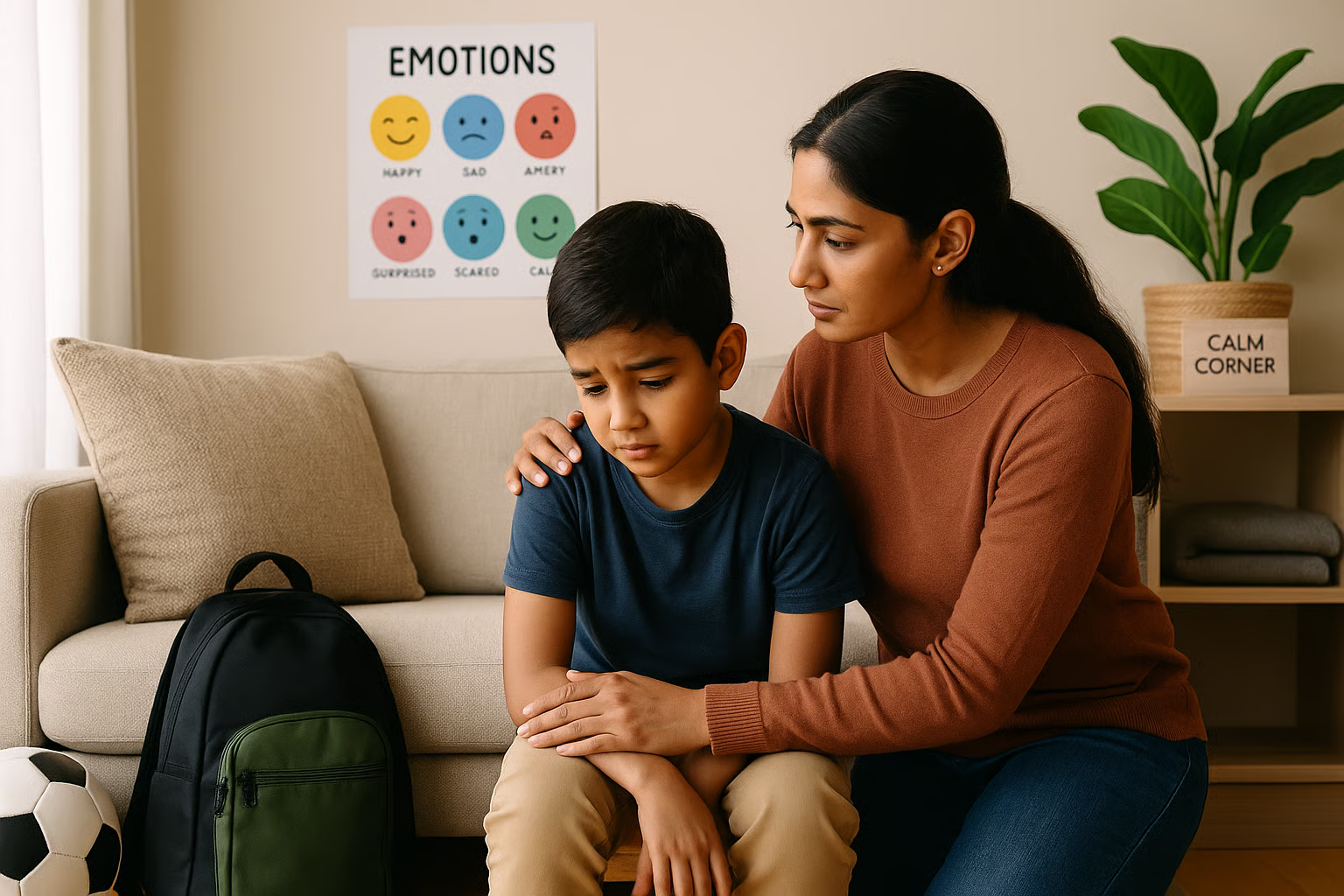
Priya watches as her nine-year-old son quietly packs his bag after school. Today he was not picked for a soccer game at recess. Others would call it a small moment. It left him teary and withdrawn. He said he never wants to try again. For Priya this is not new. It is still confusing and draining.
Many ADHD children live with rejection sensitivity. Small setbacks and social slights hurt intensely. A forgotten invite or a simple tease can land like a major blow. These moments are not overreactions. They are real and distressing. They shape a child's confidence and their friendships.
You may have watched your child react this strongly. If it left you confused or helpless, you are not alone. Many parents share Priya's story. They hold ADHD, cultural expectations and their child's emotional needs together. Understanding what is really happening helps. You can then support your child, and yourself, with more confidence.
You can find more ADHD family resources at Understanding Zoe.
What is rejection sensitivity, and why is it linked to ADHD?
What does rejection sensitivity look like for ADHD children?
Rejection sensitivity means feeling emotional pain much more deeply. It happens with criticism, teasing and even gentle correction. For many ADHD children the feeling is overwhelming. That is often true in culturally diverse families like Priya's. They take small slights and misunderstandings to heart. They believe others do not like them. They believe they have done something wrong. Often none of that is true.
This is not about being too sensitive. Research shows that a neurodivergent brain processes emotional feedback differently. Rejection then feels sharper and takes longer to recover from. This is sometimes called Rejection Sensitive Dysphoria, or RSD. It is a fast, strong reaction to rejection or criticism. The rejection can be real or perceived. RSD is common in ADHD children. You can read more about how it feels at Create Kids Edu.
Why is rejection sensitivity more common in ADHD?
A quarter to a half of ADHD children find strong emotion hard to manage. Rejection sensitivity is one way that difficulty shows up. Source: Shaw and colleagues, American Journal of Psychiatry, 2014.
Frequent criticism or harsh public correction reinforces the pattern. Children then withdraw, or their feelings spill over (Hes Extraordinary).
Dispelling myths for parents and families
Rejection sensitivity is not a flaw or bad behaviour. It is a natural difference in the nervous system. It deserves compassion. Understanding this helps you support your child's confidence. It also helps you stop blaming yourself. Want practical strategies? Consider joining Understanding Zoe.
How rejection sensitivity affects your child and your family
What does it look like at home and school?
For many ADHD children, small setbacks trigger strong feelings. A simple misunderstanding can do it. Your child may cry, or their anger may spill over suddenly. It happens most when they feel left out or criticised. At other times your child withdraws. They avoid new experiences. They may say they are not good enough.
How does this affect family and community life?
At home, everyone can end up treading carefully all the time. Parents and siblings wonder how to respond. They worry about saying the wrong thing. They are unsure how to help their child feel secure. Some families carry an extra worry about stigma. That is common in close Indian-Australian communities and other close cultures.
Where is the hope? Strengths and resilience in neurodivergent families
Families supporting neurodivergent children show remarkable resilience. Empathy and validation build confidence and trust. That means acknowledging your child's feelings. It means not dismissing them. Open conversations help. So do good resources and a focus on strengths. Your family can feel more connected and more hopeful.
Remember, seeking help is an act of strength, not weakness. You can find practical tools and neuroaffirming strategies here:
Pip remembers the appointments, the notes and the small wins, so you don't have to.
7 days free.
Practical ways to support your child
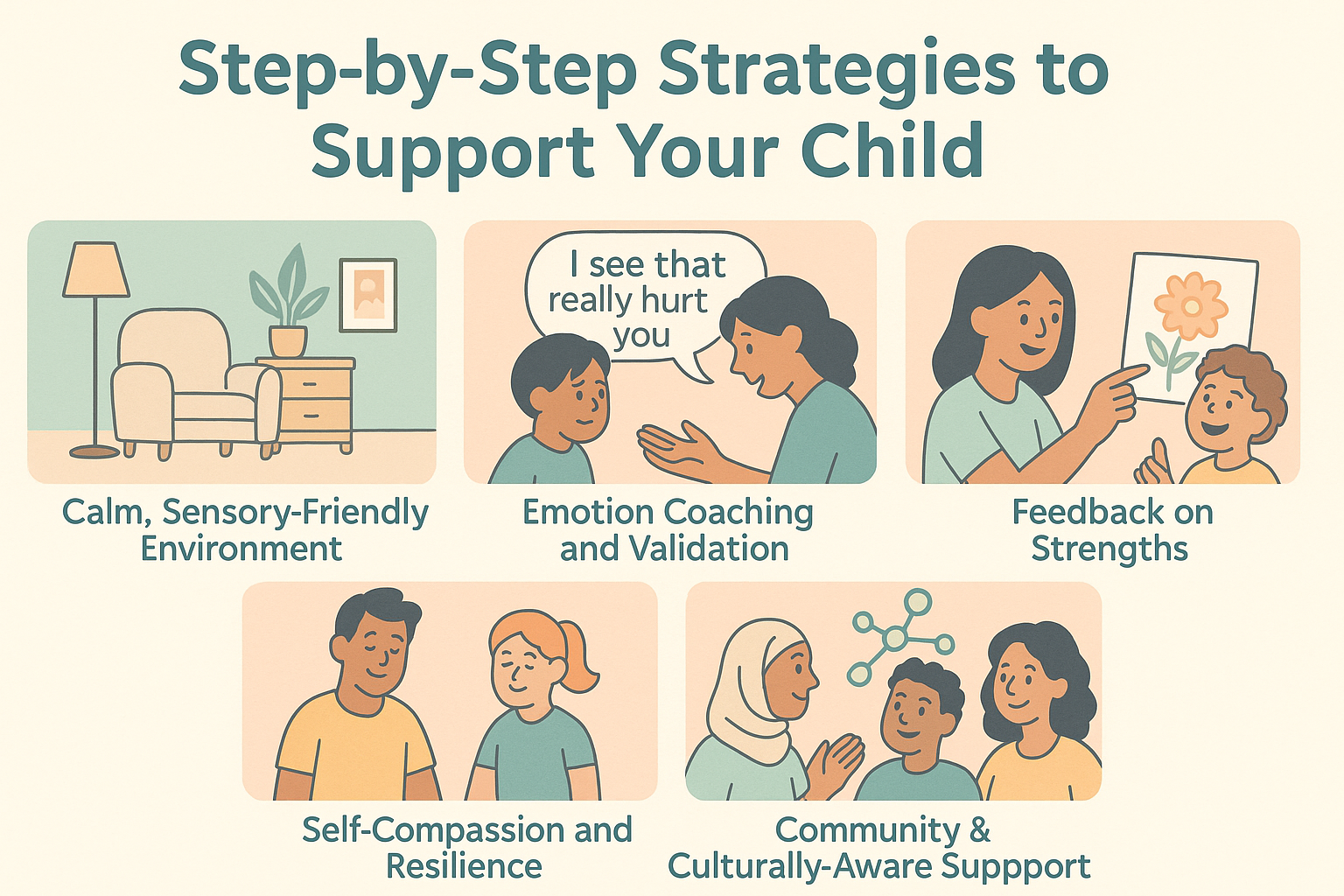
Create a calm, sensory-friendly environment
A calm home makes a big difference. Reduce clutter and set predictable routines. Use soft lighting, comfortable seating and quiet spaces for breaks. For more ideas, read our guide to calming spaces at home.
Practise emotion coaching and validate feelings
When your child reacts strongly, pause and listen first. Acknowledge the feeling: "I can see that really hurt you." Validation helps your child feel understood. Guide them towards coping strategies after that.
Focus feedback on strengths
Highlight effort, persistence and unique skills. Try this: "You tried so hard, and I'm proud of your creativity." This builds resilience and belonging.
Model self-compassion and teach resilience
Share your own coping tools. Practise simple mindfulness together. Use affirmations like "Mistakes help us grow."
Connect with community and culturally aware support
Peer networks and local groups offer new perspectives and validation. Try these culturally sensitive resources.
When and how to seek further support
Is it time to reach out?
Every ADHD child experiences rejection sensitivity differently. Ups and downs are normal. Consider professional support if the distress feels constant. Also consider it if your child withdraws, or their self-esteem drops.
Choosing the right support
Look for neuroaffirming psychologists or school counsellors. They should respect ADHD and your family's cultural context.
You are not alone
Community groups and online peer networks offer validation and connection. For more insight, see this guide on rejection sensitivity in ADHD.
Empowering your family journey
You are not alone on this path. Compassion, connection and the right support all help. You can grow your child's confidence alongside rejection sensitivity and ADHD. Even small steps make a big difference.
Take the next step. Reach out for support. Affirm the strengths your family brings every day.
Join the Understanding Zoe community
Parenting a neurodivergent child is easier with support. We would love to welcome you into the Understanding Zoe community.
Getting started is simple:
Download the app here.
Complete your account setup.
Start exploring, and tell us what works with a thumbs up or down.
You can try it free for 7 days. The tools save time and lower stress. You also join a growing group of people building a more neuroinclusive world.
We are grateful to everyone who walks this journey with us. We would love to welcome you in.
Further reading
Pip is not a doctor or therapist. It helps you organise and prepare, not diagnose or treat.
In a crisis call 000. Lifeline 13 11 14. Kids Helpline 1800 55 1800. 13YARN 13 92 76.
Ready to put it all in one calm place?
Tell Pip one thing today. It remembers the rest.
Stored in Australia, encrypted. Cancel before day 8 and you won't be charged.
Related articles

Is an ADHD assessment worth it at 40? An honest Australian answer
An adult ADHD assessment in Australia costs about $1,387 and takes about 10 weeks. Learn what a diagnosis gives you, what it does not, and when to wait.
Read more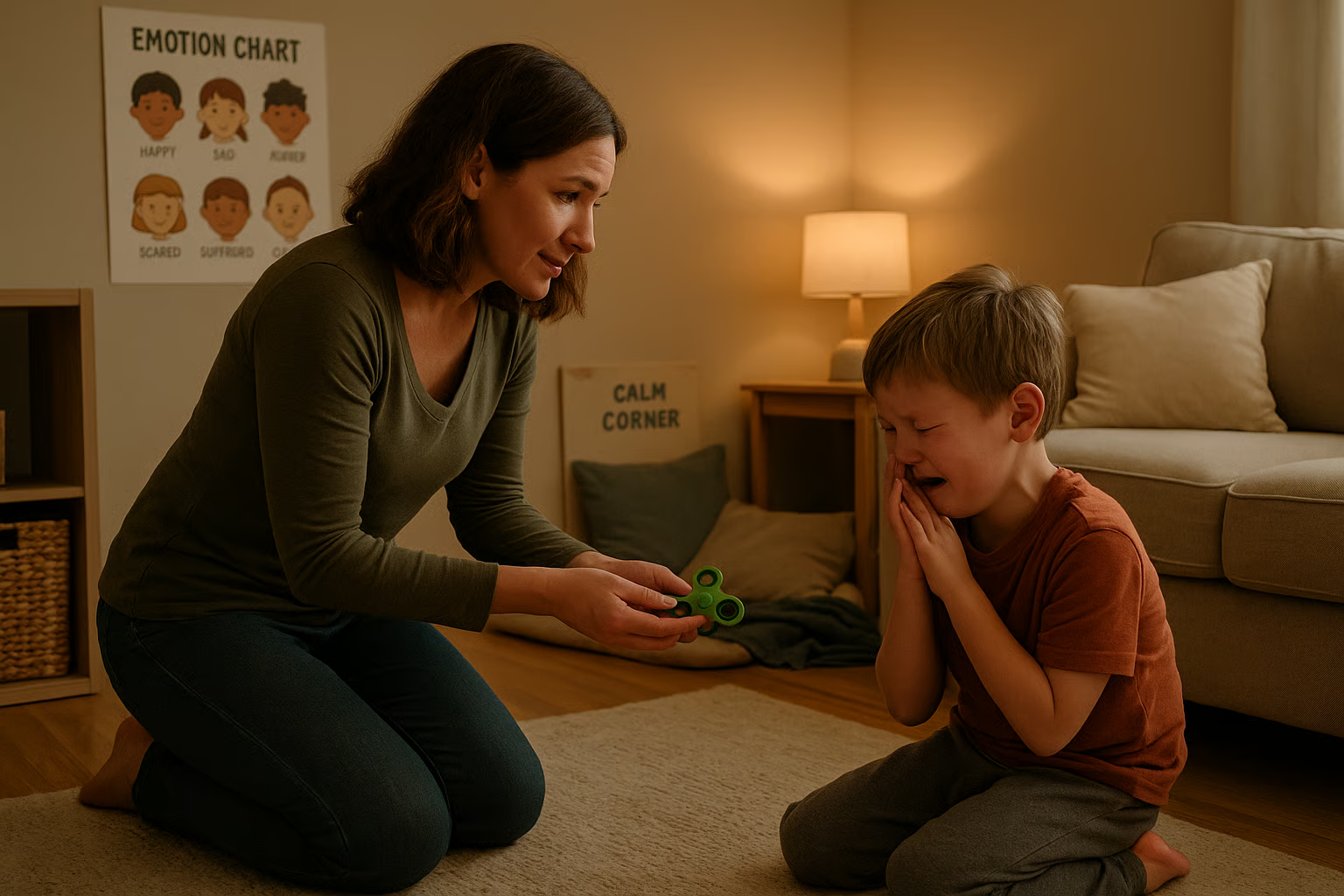
Calm in the chaos: Practical, hopeful strategies for managing emotional outbursts in neurodivergent children
Dive into a compassionate, action-packed guide for parents navigating emotional outbursts in neurodivergent children. Discover how to confidently distinguish meltdowns from tantrums, identify triggers, and apply neuroaffirming strategies that soothe big emotions. Through relatable stories and easy-to-use resources, this article empowers families to transform chaotic moments into opportunities for connection, resilience, and hope. It reminds you that calm is possible, and you’re never alone.
Read more
ADHD Mornings: Why they feel impossible & what helps
ADHD mornings aren't about laziness, they're about executive dysfunction, transitions, and sensory overload. This article explores why mornings feel impossible for ADHD brains and shares practical, compassionate strategies from clinical psychologist Johanna Badenhorst. Learn how to reduce demands, prepare strategically, use regulating music, prioritise ruthlessly, and lead with self-compassion. Discover that good enough is good enough and you're doing better than you think.
Read more