From overwhelm to clarity: A parent’s journey with Understanding Zoe with Michael Coles
Hosted by
Laetitia Andrac
Host of The Neurodivergent Pulse, CEO and co-founder of Understanding Zoe, and a neurodivergent parent.
With
Neurodiversity Advocate, Deep Dive Podcast
A neurodiversity advocate, public speaker, and podcast host based in Australia. As the host of the Deep Dive Podcast and a Program Facilitator at Empower Autism, he brings both lived experience and professional insight to conversations about autism, inclusion, and what it truly means to create environments where neurodivergent people can thrive.
The Neurodivergent Pulse is Understanding Zoe's podcast for families raising neurodivergent children in Australia. Hosted by Laetitia Andrac, each episode is an honest conversation about autism, ADHD and everyday family life. In this episode, "From overwhelm to clarity: A parent’s journey with Understanding Zoe with Michael Coles", you'll hear practical, neuroaffirming ideas you can use today.
Key takeaways
- Why parenting neurodivergent children can feel unpredictable and overwhelming
- The challenge of understanding triggers without the right tools
- How capturing patterns can support better planning and reduce stress
- Why supporting yourself as a neurodivergent parent matters just as much
- The power of connecting reports, lived experiences, and real-time insights
- How communication between families, schools, and clinicians can be strengthened
Watch this episode
Prefer audio? Listen on Spotify
Loading the player...
Chapters
Show notes
What happens when you’re navigating being neurodivergent while raising neurodivergent children… without the right tools?
In this powerful and grounded episode, Laetitia is joined by Michael (an autistic ADHDer, parent, speaker, and host of the Deep Dive podcast) who shares his lived experience of parenting, overwhelm, and finding new ways to make sense of it all.
Together, they explore what it really looks like behind the scenes: the unpredictability, the emotional load, and the constant need to problem-solve in real time.
This is an honest conversation about what changes when you finally have a tool that helps you connect the dots… not just for your child, but for yourself too.
✨ Try Understanding Zoe free for 7 days – the neuroaffirming app turning every report, observation and meltdown into an actionable next step.
About the guest
Michael Coles is a neurodiversity advocate, public speaker, and podcast host based in Australia.
As the host of the Deep Dive Podcast and a Program Facilitator at Empower Autism, he brings both lived experience and professional insight to conversations about autism, inclusion, and what it truly means to create environments where neurodivergent people can thrive.
Michael’s work focuses on the topics that don’t always get enough airtime — including autistic burnout, unconscious bias, and the gap between awareness and genuine understanding. Through his speaking, podcast, and advocacy, he shares practical, honest perspectives that move beyond surface-level conversations into real, actionable change.
When he’s not behind the mic, Michael works alongside individuals and organisations to build inclusion that actually sticks.
🌐 Website: http://www.deepdiveau.net
📘 Facebook: https://www.facebook.com/profile.php?id=61560333886558
💼 LinkedIn: https://www.linkedin.com/company/the-deep-dive-podcast
📸 Instagram: @thedeepdiveau
🎵 TikTok: @thedeepdiveau
▶️ YouTube: http://www.youtube.com/@TheDeepDiveAU
About the host
Laetitia Andrac (Autistic & ADHDer) is an award-winning entrepreneur, international speaker, and podcast host.
She is the bestselling author of Light It: How to Trust Your Intuition and Build a Thriving Business. With over 15 years of experience in consulting, strategy, and innovation, Laetitia has worked with industry leaders like Deloitte and Telstra.
Inspired by my journey as a neurodivergent parent, she co-founded Understanding Zoe, an AI-driven solution dedicated to supporting caregivers of neurodivergent children.
Her passion is creating a more neuroinclusive world, where everyone can thrive—whether in their homes, communities, or workplaces.
Frequently asked questions
How can Understanding Zoe help parents notice a child's triggers?
Before the app, Michael had no way to work out what was triggering his children. He uploads reports, emails and teacher observations straight into Understanding Zoe. He also captures new experiences as they happen. For example, his daughter once absconded at a theme park. This builds a pattern he can use to plan ahead.
Can autistic adults use Understanding Zoe for themselves?
Yes. Michael created his own profile after seeing it mentioned online. He shares how he interacts with the world and uploads his own reports. This has helped him understand his own challenges as an autistic adult. It has also helped him manage frustration and notice when his approach is not helping.
How does Understanding Zoe support communication with clinicians?
Michael uploads notes and reports from his occupational therapist, speech therapist and psychologist. He has invited these professionals onto the app, but none have managed to accept yet. He still shares things with them by email instead. He believes direct communication between clinicians, schools and families is important. Sharing his own notes on Understanding Zoe has helped him notice patterns from each session.
How does the app help parents manage frustration?
Michael says he is not a perfect parent and sometimes gets frustrated. The app helps him take a step back in these moments. It helps him notice when what he is doing may not be helping. He says linking the AI with his profile definitely helps him.
Transcript
Read the transcriptAbout 20 min read
Laetitia: Welcome to Neurodivergent Pulse, where we explore the often misunderstood world of neurodivergence with experts, parents, teachers, and therapists. Grounded in lived experience, each bite-sized episode gives you something practical to try. I am your host, Laetitia Andrac, AI expert, neurodivergent mum, and founder of Understanding Zoe.
Laetitia: This podcast is recorded on Dharawal country. I acknowledge that sovereignty was never ceded. It always was and always will be Aboriginal land. Hello, Michael. Thank you so much for joining the Neurodivergent Pulse podcast.
Michael: Thanks, Laetitia. Thank you so much for inviting me. It's actually a pleasure to actually be on.
Michael: I know you, I know you've had some very fantastic guests in the past, so far. So you've, it's been a really good project to actually put together, so it's actually really good to sort of, like, you know, have that sort of podcast sort of, you know, basically sort of, like, complimenting Understanding Zoe, which was, which we're basically gonna talk about at the moment, so with my experiences of it, so I think it's gonna be really important.
Laetitia: Thank you. Thank you so much, Michael. So I'm just curious, and, um, I've shared with you a bit before, the question, what would a typical week look like before you started using Understanding Zoe? Okay.
Michael: So I think sort of, like, from week to week, I think it would be really different in all that type of thing because I think sort of, well, my kids and stuff like that, um, it does still sort of, like, um, I must put a preference basically saying that week to week is still different for us because you can't predict what it's actually gonna look like and stuff like that in the first place. But before Understanding Zoe and stuff like that, there was no way you could actually sort of, like, find out, like, what, well, how do I sort of describe it? It's basically trying to sort of make sense of what's triggering your child. So I think I didn't have that sort of, like, you know, that sort of, like, the tool that I need to actually sort of, like, you know, go, basically sort of, like, you know, solve day to day issues.
Laetitia: Mm-hmm.
Michael: So, I mean, I'm still sort of working through those at the moment. So I still have to preface that being an autistic parent myself, trying to sort of work through sort of, like, you know, challenges and stuff like that, not with just one kid, with both my kids, but, you know, because they're sort of, like, you know, so different in terms of, like, you know, their sort of, like, their triggers, their anxieties, their, um, how they sort of, like, perceive the world and, and, you know, with, in terms of, like, how they, like, you know, how they sort of, like, you know, treat the, like, how they sort of, like, you know, interact with the environment is also different. So, you know, sometimes it's sort of, like, you know, sometimes it was okay and, you know, regulating and all that type of thing, but sometimes it was very, very challenging.
Michael: Um, we're still sort of working through that now. I think Understanding Zoe's actually been a, is, is a really good tool now, especially now with, um, my daughter sort of having some more, you know, basically sort of, well, she's had sort of issues with school and all that type of thing. And, uh, we've been seeing a lot more sort of, you know, basically sort of, like, things that we've noticed with her that, you know, basically sort of, and also, you know, basically I, sometimes with my personality or my sort of, like, you know, how I sort of interact, especially with my daughter, sort of sometimes our autistic traits clash, and I'm trying to sort of work out how I can do this properly. So I think with Understanding Zoe now, it's given me a tool to actually sort of, like, you know, work through those issues together and all that type of thing and trying to sort of get the, get the information. Well, basically, we've, all we did was basically sort of have the information from reports and all that type of thing. Now we can actually upload the reports and basically try and get a sort of, like, an answer, a specific answer that I could actually really use.
Laetitia: Mm-hmm. Thank you. Thank you so much, Michael.
Laetitia: And I just wanna acknowledge the fact that you are one of those parents who have their own neurodivergence while raising neurodivergent children, which is, you know, really something that we noticed in those people who are loving understanding. So it's like navigating our own neurodivergence, which is my case, and supporting the divergence of our children, which can be wonderful and challenging at the same time.
Michael: Mm.
Laetitia: It's not, you know, the thing that we will say is good or bad is just it's together, togetherness of challenging and beautiful. So what was the first moment you noticed Understanding Zoe, the app, making truly a difference? Like, what was a specific moment?
Laetitia: I know, I have my moment with the app, but I just wanted to invite you on because I know you're using the app and you've shared with me some moments, but what was a moment where you were like, oh my goodness, this is really helpful?
Michael: Well, I think with the Pip AI, it's actually sort of making a difference in itself.
Michael: The first time I actually sort of, like, you know, I basically had the reports, like, in, like, a hard drive and all that type of thing. Now, I could actually sort of upload all these things and also emails, um, and also sort of, like, you know, observations that, um, the teachers have basically shared with us and all that type of thing and the professionals have shared with us.
Michael: I've been sort of trying to sort of, like, capture that on the app. So it's actually useful for me to sort of, like, you know, also capture those experiences as well because I think, you know, I'm still working, I'm basically trying to sort of work with the AI in the moment because I think with a new version of the app, I think they ask questions.
Michael: And I think sort of that sort of prompted me, like, only in the last couple weeks to actually sort of, like, really sort of, like, share the experiences that I had, I haven't had chance to actually sort of, like, really sort of write them down yet because I've had them sort of in my head, but now sort of, like, I'm trying to basically sort of capture those in the app.
Michael: So it's sort of like, you know, sometimes you sort of have these experiences, like, well, for example, I've basically sort of, like, well, my daughter basically, like, absconded at a theme park, um, like, you know, basically, um, I think it was a couple weeks ago, um, during the school holidays, during the last school holidays.
Michael: And I, with my sort of monotropic brain, I can only sort of do one thing at a time.
Michael: So I think sort of, like, I was trying to sort of, like, you know, just trying to get a lifeguard or trying to sort of, like, you know, then look for a child. And it was very, and there was a lot of things going on at the same time.
Michael: And with me, I think sort of my brain was sort of, like, going in too many directions and it was causing me to shut down. So I think sort of, like, you know, having those experiences and trying to learn from them and trying to sort of capture those. So if there's a situation again where there's a similar situation again, I know to plan for it and I know to basically sort of, like, you know, I could sort of, like, we could have a plan and all that type of thing and try and sort of work out what plan is actually gonna work and all that type of thing.
Michael: So that's kind of, like, what I'm sort of aiming towards as well, because I think sort of capturing those experiences that we actually have as parents with, especially autistic ADHDs and all that type of thing and because both of our children are a little bit sort of, like, you know, different in terms of, like, you know, their sensitivities and the way that they react with the world, it's kind of interesting to sort of find out where, you know, especially with me being autistic, an autistic adult and stuff like that, autistic ADHD, by the way, um, trying to sort of, like, work out what's actually going, what will actually sort of, you know, bring down sort of, like, you know, the stress with it.
Laetitia: Mm-hmm.
Michael: So I think that's gonna be useful in the sort of that aspect, but I'm working with that at the moment to make sure that sort of, like, you know, the capturing also happens and all that type of thing. So I think sort of, like, bringing the reports in, I think is so essential and also sort of, like, sharing those experiences are so essential because I think that will sort of help it to basically sort of, like, you know, prepare for next time.
Michael: So that's, you know, basically what my sort of, like, you know, my sort of strategy is to sort of find out because I know sort of like, you know, we've got sort of like issues with the morning routine and the evening routine and sometimes it works, sometimes it doesn't. And also, you know, trying to sort of work out what works and what doesn't and trying to sort of work through those is gonna be helpful with the app as well.
Laetitia: Mm. Thank you so much, Michael, for sharing all of this. And yeah, there is so many, different moments where I know in our own journey with Zoe or with myself using Understanding Zoe, where I'm like, oh, that's so helpful to notice that pattern, and then getting ready, because I know, for instance, if I speak for myself, how when I get into a big event and I get to see lots of people, then I need a few days to recover where I will be mostly on speaking, where I will need to be by myself in a, you know, kind of space where no sound, no light, no one is around me.
Laetitia: And having that pattern and that information helped me plan ahead. So I love what you shared with us around planning ahead and having the ability to do so. So let's move into using the app for you as an adult, because you were using it before, it was for adult, now it is for adult in this new release.
Michael: Yeah. And I have been also using it because you used it and you shared about it on LinkedIn. And so I was like, oh my gosh, I could create a profile for myself then.
Laetitia: So I'm just very curious about what do you find most helpful for yourself within the app? Like, which feature do you find yourself coming back to the most to use the app for yourself as an autistic and ADHD?
Michael: Yeah. I think sort of like, you know, sharing how I interact with the world and also uploading my reports have helped as well because I think with me being an autistic adult, I do have my own challenges as well. And I know sort of my wife as well, I know, you know, God bless her, she, you know, she does, you know, have challenges, you know, basically trying to interact with me as well.
Michael: So trying to sort of like, you know, work with that to be able to sort of like, you know, help with our parenting has always helped with that. Um, it's also trying to sort of work out how, you know, myself and obviously my daughter and my son can actually sort of like work through these issues that we actually have or the challenges we've got trying to sort of work out sort of how, you know, basically sort of like my sort of like autism and ADHD sometimes clash and trying to sort of work through that.
Michael: I'm not the perfect parent. I mean, I'm sort of like, uh, I'm pretty open to that because I think sort of, I mean, we're not perfect parents and all that type of thing, but it's sort of like, it's helpful with the app because it's sort of like, you know, it helps sort of, you know, sometimes manages the frustration, especially with it because I think sometimes you can get frustrated without being sort of like, I gotta sort of like, sort of like take a step back and sometimes realise that basically sort of what I'm doing may not be helping. So sometimes, I mean, sometimes it does help, sometimes it doesn't. It just all depends on how you approach it at that particular time. And I think the having sort of like the AI and also linking it all with the profile definitely, definitely will, definitely helps.
Laetitia: Mm. Thank you. Thank you, Michael, for sharing that. And so in terms of, you mentioned it very quickly, but in terms of how the app has potentially supported or changed the way you communicate with clinicians or your family, would you like to share a bit of how you were doing it before and how you're doing it now or how is the app maybe supporting this communication and connection?
Michael: Yeah. Well, I've actually sort of promoted it with some of my sort of like, you know, um, with the OTs and the speechies and all that type of thing and the psychologists and all that type of thing, because I think it's really important tool to actually use. I think sort of like, um, how to, like, sometimes they sort of communicate directly with us and it's sort of like, it's been useful to actually sort of upload those things to the app and all that type of thing.
Michael: Um, sometimes, you know, it's also important to actually sort of like, you know, just communicate what we're feeling and all that type of thing. So sort of like, you know, I think communication between like clinicians, the schools and also the families is actually really, really important.
Laetitia: Yeah.
Michael: I think sort of having that sort of like the, that communication that's sort of like at, um, basically sort of direct and what they sort of notice throughout the session is also really important as well.
Michael: So we're also trying to capture that as well, trying to sort of like work those out and all those type of things. So I think sort of like sharing the notes and stuff like that onto the system itself, onto Understanding Zoe itself has actually really, really helped to be able to sort of like, you know, notice that.
Michael: Um, but, you know, but they've been sharing it sort of like, you know, via email as well because I have invited them onto the app as well, but they haven't been able to accept. So I think sort of like having that integration will be probably important in the future.
Laetitia: Yeah. Thank you. Thank you for sharing that.
Laetitia: And yeah, it's definitely interesting, like for us with Understanding Zoe we have teachers, educator, support teacher, OT and speechie who are accepted using the app and the invitation, but we haven't been successful with a psychologist, for instance, and the paediatrician.
Michael: Mm-hmm.
Laetitia: And so that's very interesting how some of them, they're like straight away jumping in and being super active such as our speechy or our OT and others are more resistant.
Laetitia: And I think it's all about the education around the power for AI and how we can really improve everything for everyone. So thank you for sharing that. I think it's very important.
Michael: Mm-hmm.
Laetitia: So, um, so what does actually having a tool like Understanding Zoe give you more of?
Michael: Well, basically more of this sort of like the tools we could actually sort of use in sort of situations where it's very challenging.
Michael: I think sort of that's very important for us because, you know, you can have moments where everything's going pretty well, but then sort of like one moment, it can sort of like bring everything down and then sort of like, you know, you need that sort of app to be able to sort of like how to like have that moment where the sort of like, you know, the clinicians are not available or the school is basically not available and all that type of thing.
Michael: So basically capturing those in that information itself, I think sort of like, like you need, the parents need to actually sort of have that at the particular moment where sort of like, you know, the, where things actually do go wrong. And, you know, we know very well that sort of like things do go wrong and we need to sort of like, you know, be, it needs to be there at that particular time. I just wish I could actually sort of use it faster and all that type of thing and basically have that on hand. But it's more trying to sort of like, you know, work out what's gonna be happening at the moment. And if there's like, you know, um, like for example, if there's like a panic attack, for example, you need to sort of work out how to prepare for a panic attack and all that type of thing and, and, you know, trying to sort of like, you know, say, look, I mean, it's more supporting, uh, the way that the actual sort of, like, the autistic brain actually works.
Michael: I think sort of describing that in that type of thing and basically having a visual tool to be able to do that is really, really helpful as well because it's sort of like, it's sort of like, you know, um, what I also really like about it is basically you've got all these, like, you know, you can put a sort of, like, a document together, basically with the strengths, weaknesses, the challenges and all that type of thing and the accommodations that you need to put in.
Michael: So it's sort of, it's helpful within sort of, like, um, within sort of certain settings as well, because I think sort of, like, having that sort of those accommodations and communicating those with them, I think is gonna be real, is really useful as well.
Laetitia: Mm. Thank you so much. So before I let you go, I'm just very curious, what would you say to another neurodivergent adult or parent of neurodivergent children or both with thinking about the app and they're like, no, I don't think this is for me.
Laetitia: Like, what could you tell them because they're on the fence?
Michael: It's actually a very important tool. I think sort of, like, it will change how you actually interact with your children and interact with the world, trying to sort of work with the actual sort of challenges you've got, and especially the AI app working with the reports and basically sort of learning with those reports, what you can actually, you know, having a strategy to basically sort of try and work through a challenging situation.
Michael: So I think sort of this is where Understanding Zoe comes in on its own with that. So I think sort of that's, it's very important to do. And I think with that, um, it's gonna be very important for parents to sort of have, like, you know, um, you know, work through those challenging situations. I think it's gonna be quite important to have.
Laetitia: Amazing. Thank you so much. So Michael, you're a podcaster as well,
Michael: Yep.
Laetitia: and you're doing such an important work for the community with the Deep Dive podcast. Would you mind sharing for anyone who's listening to this, how they can connect with you, learn more from your lived experience and listen to your podcast, but also your speaking on stage?
Laetitia: Mm-hmm. Like whatever you would like to share with us for everyone who's listening to this to dive deeper into your work.
Michael: Okay. So you can go to deepdive@au.net if that's the main website where you can sort of have a look at, um, what I do in my public speaking profile and all that type of thing.
Michael: Um, I'm speaking at a few conferences later this year, so I'm looking forward to that, but I like to sort of get into sort of workplaces, organisations and stuff like that and talk about, um, you know, basically sort of parenting an autistic child and also sort of like, you know, how I sort of, you know, basically, um, how I deal, how I do with life as an autistic parent.
Michael: So I think it's gonna be very important to have. And also trying to sort of like, you know, just trying to sort of like, you know, share my autistic story because I think it's sort of, I'm 51 now and I've experienced so many sort of aspects of my autism, like from a child perspective and also as an adult.
Michael: So I think sort of like, you know, and having children, obviously, because obviously, um, most of the time it's hereditary. So you have to sort of like realise that basically sort of if your children are autistic, it's most likely that you're autistic and you're probably not diagnosed yet. So I think it's sort of like it's important conversation with, to have and also sort of spreading the word and also talking with the neurodivergent affirming clinicians and professionals and all that type of thing and lived experience people as well.
Michael: So just capturing that lived experience, I think is really helpful to be able to, and especially Australian lived experience, I think it's sort of really helpful to actually sort of have that sort of like, you know, to have the, that's why I really wanna connect with everybody that sort of comes on the Deep Dive podcast because it's sort of not just professionals that's being on.
Michael: It's people with lived experience as well. So, um, I think sort of like it's been a very important conversation and it's also sort of like working through what their passions are. So I think sort of their passion is really sort of important to actually capture as well. So deepdive@au.net is probably the best way to actually sort of like, um, connect with us, watch our episodes. We've got an episode up online with the moment with the CEO of the National Assistance Card, that's probably a must watch. So, um, have a look at that as well. So, um, and it also sort of like, you know, it sort of captures like the autistic ADHD experience.
Michael: So it's from a sort of like a lived experience point of view. So I think it's really important to have those conversations.
Laetitia: Definitely, definitely. Highly recommend the Deep Dive Podcast. You were kind enough to invite me as well to be a guest on your podcast, and I think you do an amazing work for the community.
Laetitia: And I listened to Michael at a conference last year in Noosa speaking about brownout and burnout, brownout and burnout.
Michael: Yeah.
Laetitia: And I really encourage anyone listening to this episode to just dive deeper into Michael's work. Thank you so much for coming
Michael: Yeah.
Laetitia: today, Michael, and sharing your experience with Understanding Zoe so genuinely.
Laetitia: I'm very grateful for you.
Michael: Oh, thank you, Laetitia. Thank you so much for inviting me on.
Laetitia: That's a wrap for Neurodivergent Pulse. If this helped, follow the show and leave us a quick review on your favourite platform. You can even share this episode with someone who needs it. You can learn more about our platform at understandingzoe.com.
Laetitia: Thanks for listening.
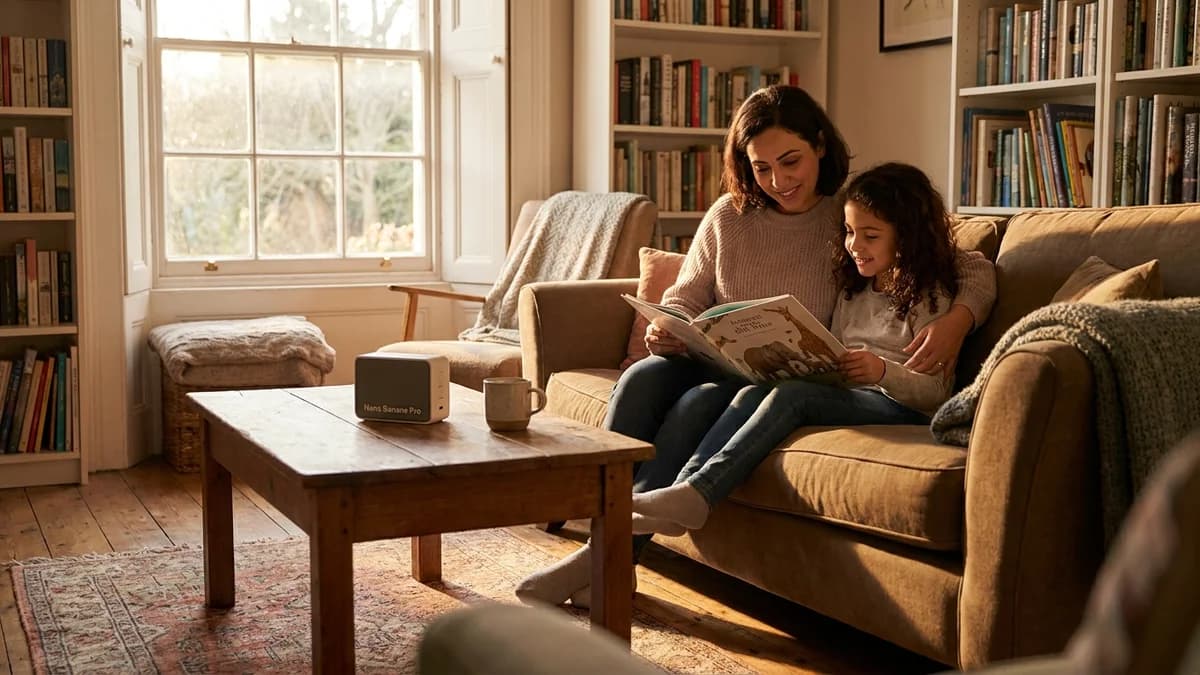
Subscribe to The Neurodivergent Pulse.
Follow the show so a new episode finds you. It's free.

More episodes
View all
Who cares for the caregiver? Embracing neurodivergent parenting, disability and sustainable care with Hollie-Ann Newman
34 min
Late realised AuDHD motherhood: From overstimulation to self-understanding with Samantha Johnson
36 min