Masking is when an Autistic person hides or changes how they naturally are, to fit in or stay safe. It might mean forcing eye contact, copying other people's expressions, rehearsing conversations or holding back a stim. Many Autistic adults have done it for so long they do not notice they are doing it.
This page explains what masking is, what it costs and what unmasking safely can look like. Researchers often call it camouflaging. We use masking, the word most Autistic people use.
In a 2017 study, 92 Autistic adults described how and why they camouflage. Their answers fell into two kinds of effort.
Hiding Autistic traits. Holding back stims, forcing eye contact, suppressing reactions to noise or light, and keeping interests to yourself.
Using learned strategies to get through. Scripting conversations, copying other people's gestures and expressions, and studying social rules like a second language.
People in the study said they did it to fit in and to connect with others. Masking can also be about safety, at work, at school or anywhere being visibly Autistic feels risky. It is a response to the environment, not a personal failing.
Masking can help in the moment. Over time, the cost adds up.
Masking takes capacity. Every held-back stim, rehearsed sentence and forced moment of eye contact draws on the same limited energy you need for everything else. Many Autistic people describe their nervous system staying on high alert the whole time they mask, and needing hours or even days to come down afterwards.
The adults in the 2017 study described exhaustion, and a sense of losing track of who they really were. Research on autistic burnout points the same way. A 2020 study defining autistic burnout highlighted the potential dangers of teaching Autistic people to mask. Our page on autistic burnout explains how the two connect.
Masking is also one reason autism is missed, especially in women and gender diverse people. When someone copes well on the outside, assessors and families can miss what it takes. Our page on autism in women explains more.
What masking looks like in a workplace, and what changes when people can be themselves.
Read the articleUnmasking is not all or nothing. It is a slow process of noticing what you hide, and choosing where it is safe to stop hiding.
For some people, unmasking may never be safe. Being able to unmask is a privilege, and it depends on who you are and where you are.
Black, Brown, Indigenous and Asian (BBIA) Autistic people often mask to stay safe from racism as well as ableism. Visible Autistic traits can be misread as aggression or defiance, and the consequences can be far more serious.
In a University of Michigan study, 11 Black Autistic women in the US named physical safety as one of their main reasons for masking. In the UK, researchers Tiffany Nelson and Hannah Lichwa heard from Black Autistic girls that masking at school was a way of surviving racism, ableism and sexism.
If unmasking is not safe for you, that is not a failure. The problem is the environment, not you.
Writing things down helps you see what you hide, and where you can let go.
Print it, or keep it on your phone.
Masking can make it hard to see your own patterns. Notes taken in the moment show what memory smooths over.
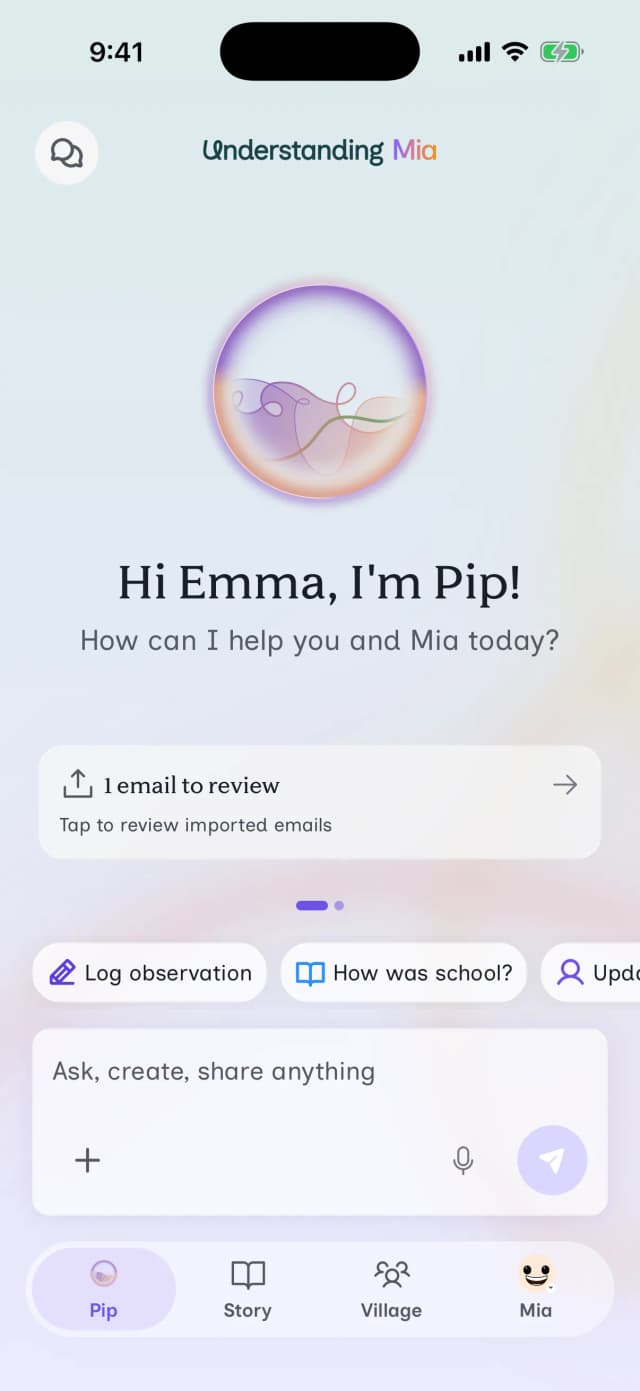
Pip* is your pocket coach. You tell it what you notice, by voice or text, and it keeps your notes. The Story tab lays your notes out over time, so you can look back and notice what you want to keep doing.
If you are working with a psychologist, the Care Village lets you share chosen notes with them. You decide who sees what.
What Understanding Zoe does not do. It does not assess and it does not treat. Built with families, researchers and allied health.
Understanding Zoe is for neurodivergent people and the people who love them, at every age and stage.
Family, teachers and your care team join free when you invite them.
* Pip is the pocket coach in the Understanding Zoe app. It has nothing to do with the UK benefit called PIP, the Personal Independence Payment.
Researchers often use camouflaging as the broader term, covering both masking, which means hiding Autistic traits, and compensating, which means using learned strategies to get through social situations. Most Autistic people say masking for all of it.
Whichever word you use, it describes the effort of changing how you naturally are to fit in or stay safe.
No. ADHD people and other neurodivergent people often mask too, and many people adjust how they act in different settings. Autistic masking is often more constant and more effortful, which is why it has been studied closely.
If you are both Autistic and ADHD, you may recognize masking from both sides.
Not always. Masking can be a way to stay safe, and choosing when to mask is a valid decision. The problem is masking all the time, without choice, because the cost builds up.
The aim of unmasking is not to stop masking everywhere. It is to have places and people where you do not have to.
Start by noticing what you hide and when. Then try small changes in safe places, such as stimming at home or wearing headphones in a busy shop.
Time with other Autistic people helps many adults. A neuroaffirming psychologist can also help, especially if unmasking brings up big feelings.
Yes. When someone copes well on the outside, families, teachers and assessors can miss what it takes. This is one reason many women and gender diverse people are identified later in life.
If you think you mask, say so at your assessment, and bring examples of what you hide and how you feel afterwards.
Understanding Zoe is not a crisis service. In an emergency in the US, call 911. For mental health crisis support, call or text 988 to reach the 988 Suicide & Crisis Lifeline.
Nothing on this page is medical advice. It does not assess anyone, and it is not a substitute for care from a professional who knows you. If something here sounds familiar, write it down and take it to your doctor.