ADHD burnout is the deep exhaustion many ADHD adults describe after a long stretch of pushing through. Months or years of compensating, catching up and holding it together can leave nothing in the tank. Things that used to be manageable stop being possible.

This page explains what ADHD burnout is, how it differs from autistic burnout and what recovery looks like. ADHD burnout is not a formal diagnosis, and it has had far less research than autistic burnout. What follows draws on what ADHD adults describe and on the research that does exist.

What ADHD burnout feels like

People describe it in different ways, but the same themes come up again and again.

  • Exhaustion that rest does not fix. A weekend off barely touches it.
  • Systems falling apart. The lists, routines and workarounds that kept life running stop working.
  • Less capacity for everyday tasks. Emails, meals and admin feel impossible, even when they matter.
  • Shorter fuse. Less tolerance for noise, interruptions and change, and emotions that feel closer to the surface.
  • Pulling back. Cancelling plans and avoiding things that used to bring joy, because there is nothing left to give.

Many ADHD adults describe a cycle: bursts of intense effort to meet deadlines or keep up appearances, followed by a crash. Over time, the crashes get deeper. Our page on executive dysfunction explains why everyday tasks can take so much effort to begin with.

Brownout: the stage before burnout

Many neurodivergent people use the word brownout for the stage before burnout. The lights are still on, but dimmer. You are still getting through the day, but everything takes more effort, small things feel bigger, and the things that usually restore you stop working as well.

Brownout is a community word, not a clinical one, but naming it helps. It is often the point where lowering demands and resting properly can stop a brownout from becoming a full burnout.

ADHD burnout and autistic burnout: what is the difference?

The two share a lot, and many people are both ADHD and Autistic. The research behind each is very different.

Autistic burnout has been studied directly. In 2020, Autistic researchers and their colleagues described it as chronic exhaustion, loss of skills and reduced tolerance to stimulus, caused by chronic life stress and a mismatch between expectations and abilities without enough support. Our page on autistic burnout covers it in depth.

ADHD burnout has no agreed definition yet. ADHD adults often describe it as coming from years of overworking to keep up, masking traits to fit in, and living with systems that were not built for how their brains work. If you are both ADHD and Autistic, which people often call AuDHD, both may apply.

Often shared

Long-lasting exhaustion, less capacity for daily life, sensory overload, and the need for real rest and lower demands to recover.

Often different

Autistic burnout is linked in research with loss of skills and masking Autistic traits. ADHD adults more often describe boom-and-bust effort and systems collapsing.

Is it burnout or depression?

Burnout and depression can look alike, and they can happen at the same time.

Some ADHD adults find that burnout lifts when demands drop and they get real rest, while depression often does not. That is not a reliable test, though. If you feel hopeless, stop enjoying things you used to love, or have thoughts of harming yourself, talk to your GP or a mental health professional. If you need help now, the numbers at the bottom of this page are there for you.

What recovery from ADHD burnout looks like

Recovery usually takes longer than people expect. It is less about doing more and more about needing less.

  • Lower the load. Drop, delay or share what you can. Ask what absolutely has to happen this week.
  • Rest that actually restores you. For many ADHDers, that means low-demand time with a favourite interest, not lying still.
  • Rebuild simpler systems. When you are ready, fewer and easier systems tend to last longer than elaborate ones.
  • Change what caused it. Workplace adjustments, more support at home or a different pace can stop the cycle repeating.
  • Get support. A GP, psychologist or ADHD coach can help you work out what is going on and what would help.
Banner for the Understanding Zoe article Energy accounting: prevent neurodivergent burnout
From our podcastEnergy accounting: finding balance for neurodivergent lives

How thinking of energy like a bank account can help you plan days that do not end in a crash.

Read the article

What to bring to your GP about burnout

A few notes help a GP see the pattern, not just a bad week.

Your appointment checklist

Print it, or keep it on your phone.

  • When the exhaustion started, and what was happening in life at the time.
  • What has stopped working, at home, at work or in relationships.
  • Sleep, appetite and mood over the past few weeks.
  • What you have already tried, and what helped even a little.
  • Your questions, written down so you do not have to hold them in your head.

Where Understanding Zoe fits

Burnout makes it hard to remember what happened when. Notes taken on the day help when your memory is foggy.

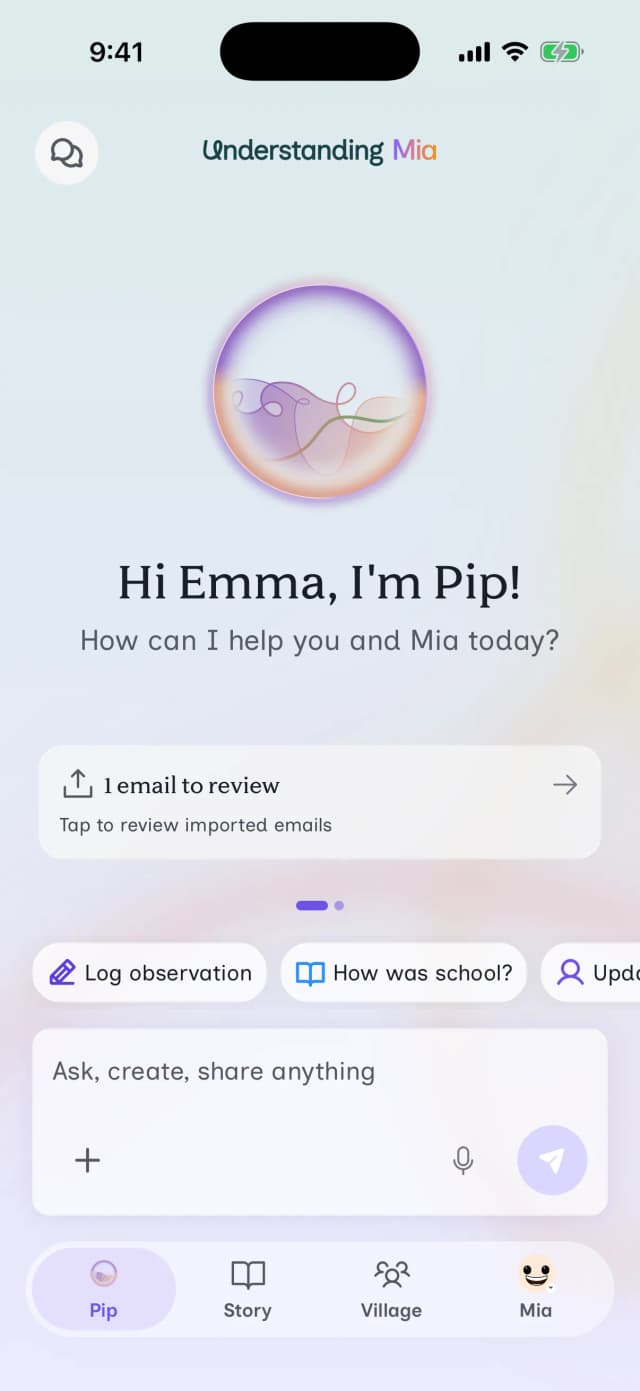
Pip* is your pocket coach. You tell it what you notice, by voice or text, and it keeps your notes. The Story tab lays your days out over time, so you can look back on them and prepare what to raise with your GP.

The Care Village lets you share chosen notes with a partner, friend or psychologist. You decide who sees what.

What Understanding Zoe does not do. It does not assess and it does not treat. Built with families, researchers and allied health.

The Understanding Zoe app open on a phone, showing Pip's home screen

Try Understanding Zoe at your own pace

Understanding Zoe is for neurodivergent people and the people who love them, at every age and stage.

Family, teachers and your care team join free when you invite them.

Start free trial

* Pip is the pocket coach in the Understanding Zoe app. It has nothing to do with the UK benefit called PIP, the Personal Independence Payment.

As featured in

Startup Daily SmartCompany Channel 9 Mums and Co Women's Agenda Education Today ABC

Questions people ask about ADHD burnout

Is ADHD burnout a real diagnosis?

No. ADHD burnout is not a formal diagnosis, and it has had far less research than autistic burnout. The term comes from ADHD adults describing their own experience.

That does not make it less real. If you are exhausted and struggling to function, it deserves attention, whatever name it ends up with.

How long does ADHD burnout last?

There is no set timeline. Some people feel better within weeks once demands drop. For others, recovery takes months, especially when the causes cannot change quickly.

Recovery tends to be faster when you can lower the load, rest in ways that restore you and change what led to burnout in the first place.

What causes ADHD burnout?

ADHD adults often describe long periods of overworking to keep up, masking traits to fit in, and living or working in systems that do not suit how their brains work. Big life changes, such as a new job, a new baby or caring for someone, can tip the balance.

Late identification can play a part too. Many adults spend years compensating without knowing why everything felt so hard.

Can you have ADHD burnout and autistic burnout at the same time?

Many people are both ADHD and Autistic, and their experience of burnout may draw on both. What matters most is what you need now: less demand, real rest and support.

Our page on autistic burnout explains what research has found about it.

Should I see a doctor about ADHD burnout?

Yes, especially if exhaustion lasts more than a couple of weeks, affects your work or relationships, or comes with low mood. A GP can check for other causes, such as iron levels, thyroid or sleep problems, and talk about support.

If you have thoughts of harming yourself, get help straight away. The numbers at the bottom of this page are there for you.

Sources

  1. Raymaker DM, et al. "Having all of your internal resources exhausted beyond measure and being left with no clean-up crew": defining autistic burnout. Autism in Adulthood, 2020.
  2. Australian ADHD Professionals Association. Australian evidence-based clinical practice guideline for ADHD, 2022.
  3. Hull L, et al. "Putting on my best normal": social camouflaging in adults with autism spectrum conditions. Journal of Autism and Developmental Disorders, 2017.

If today is a hard day

Understanding Zoe is not a crisis service. In an emergency in Australia call 000. Lifeline is 13 11 14. Kids Helpline is 1800 55 1800. 13YARN is 13 92 76. Outside Australia, contact your local emergency number.

Nothing on this page is medical, legal or financial advice. It does not assess anyone, and it is not a substitute for care from a professional who knows you. If something here sounds familiar, write it down and take it to your GP.

Keep reading